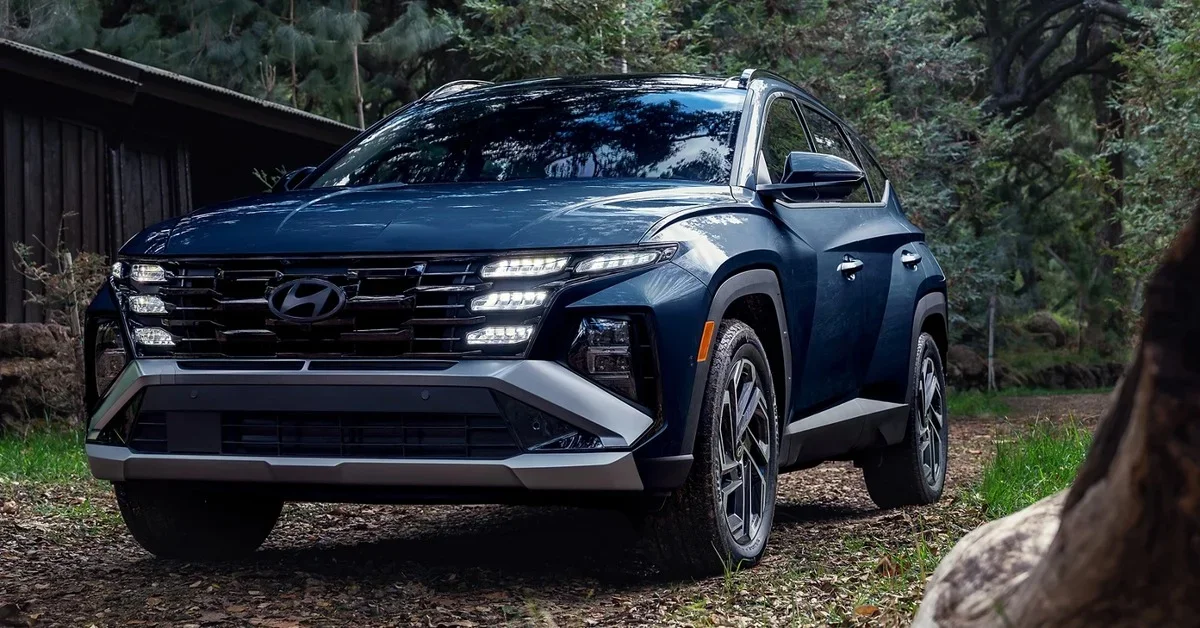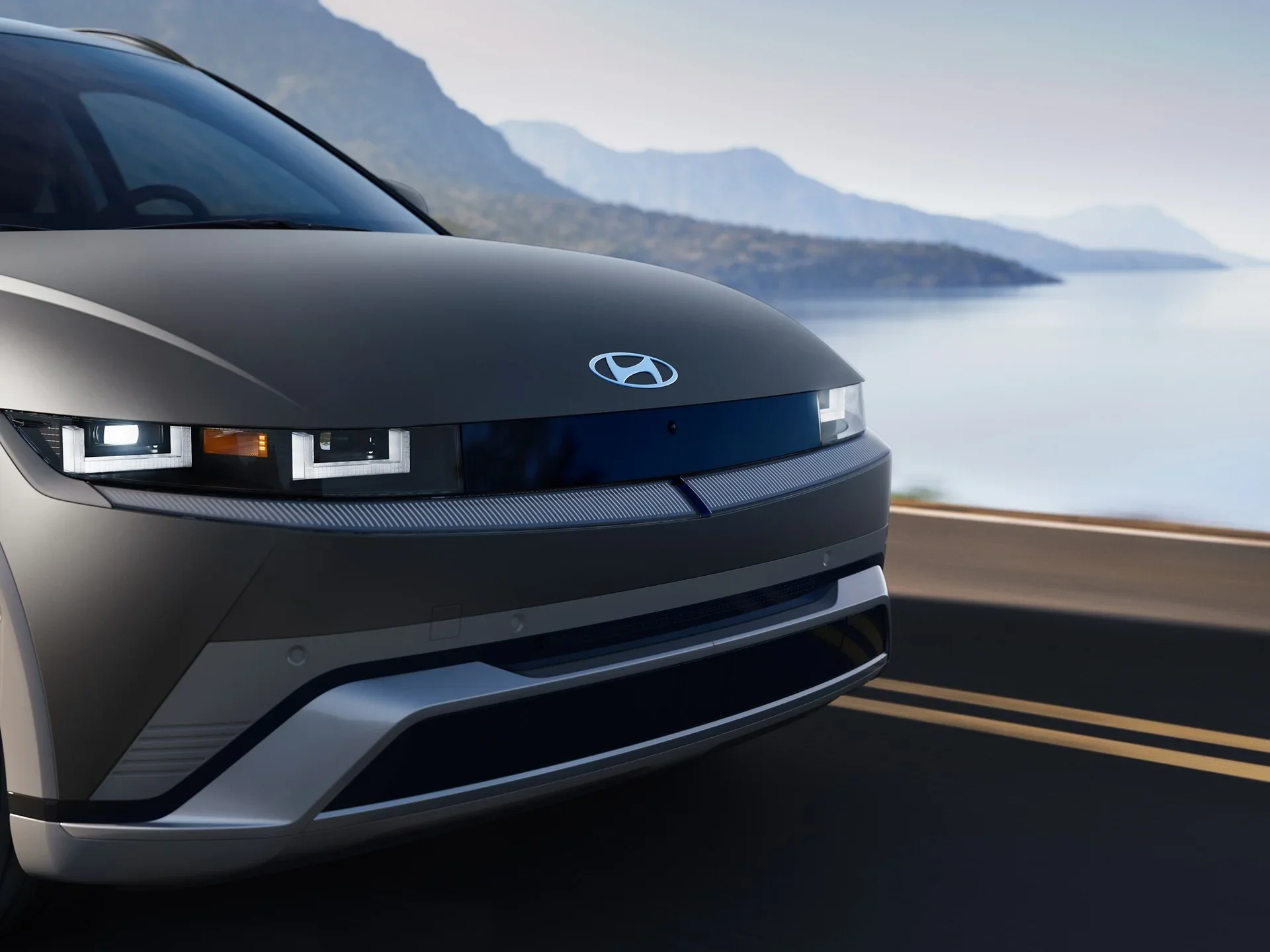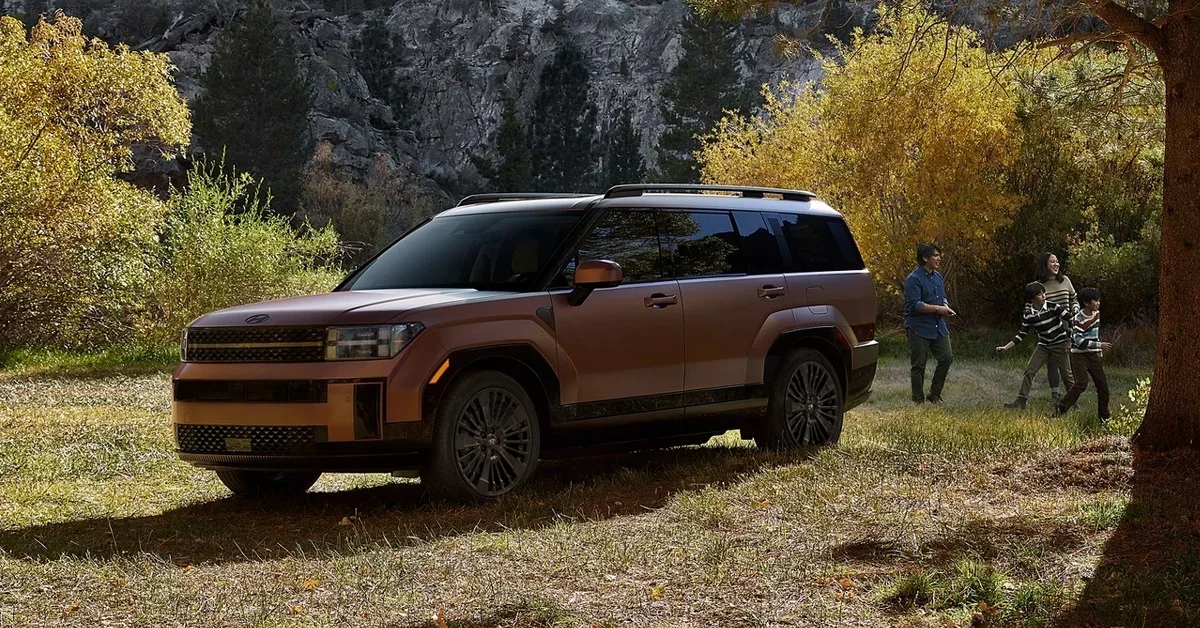
A chilly morning in Puyallup can make an EV’s projected range look very different from what you saw on a mild afternoon test drive. Add rain, hills, a full cabin of passengers, and a trip up toward Bonney Lake or over to Tacoma, and it is natural to wonder what is normal.
Learning how to maximize EV range is less about driving uncomfortably or watching the range meter every mile. It is about understanding the conditions that use energy, building a few easy habits, and choosing an EV that fits the way your family actually drives. Hyundai EVs such as the IONIQ 5, IONIQ 6, IONIQ 9, and Kona Electric offer useful technology to help, but everyday decisions still matter.
How to Maximize EV Range Without Changing Your Life
The biggest range gains usually come from smooth driving, sensible climate settings, proper tire care, and charging with a plan. You do not need to avoid the heater in January or coast down every hill. Think of range as a flexible estimate based on recent driving, not a fixed promise that will look identical every day.
EPA range estimates are valuable for comparing vehicles, but real-world results depend on speed, elevation, temperature, cargo, wind, road conditions, and use of heating or air conditioning. That is true for every EV, including models with strong advertised range figures.
Drive smoothly and manage speed
Electric motors deliver power immediately, which is one reason EVs feel so responsive around town. Quick acceleration is fun, but it uses more energy than gradual starts. In everyday South Puget Sound traffic, aim for steady inputs on the accelerator and leave enough following distance to avoid repeated hard braking.
Speed has an even larger effect on longer drives. Highway travel creates more aerodynamic drag as speed rises, so range will generally fall faster at higher speeds. This does not mean holding up traffic. It means using cruise control thoughtfully, following changing speed limits, and recognizing that a calm 65 mph drive may require less energy than a faster run into a headwind.
Use regenerative braking whenever conditions allow. Regeneration captures some energy during deceleration and sends it back to the battery. It cannot recover all the energy used to accelerate, but it can make a meaningful difference in stop-and-go driving and on downhill stretches. Higher regeneration settings may feel more natural in city traffic, while some drivers prefer a lighter setting on open roads. Try each setting somewhere familiar to find what feels comfortable.
Warm the cabin while plugged in
Cold weather reduces battery efficiency, and heating the cabin takes energy. Western Washington winters are often moderate rather than extreme, but damp, near-freezing mornings can still affect range.
Preconditioning is one of the most practical habits an EV owner can adopt. If your vehicle is plugged in before leaving home, schedule the cabin to warm up while it is still drawing power from the charger. That means more of the battery’s stored energy is available for driving. In warm weather, the same approach can cool the cabin before departure.
When you are already on the road, use the heated seats and heated steering wheel when equipped. They can help you feel comfortable while allowing a slightly lower cabin temperature than you might choose with heat alone. If you are traveling with only one or two people, the driver-only climate setting, when available, can also reduce unnecessary energy use.
There is a trade-off: comfort and clear visibility come first. Do not sacrifice defrosting or safe cabin temperatures simply to preserve a few miles of projected range.
Tires, Cargo, and Maintenance Make a Real Difference
Tires are easy to overlook because an EV has fewer routine maintenance needs than a gas vehicle. But tire condition and pressure directly affect rolling resistance, handling, and efficiency.
Check tire pressure regularly, especially when the temperature changes. Pressure drops as temperatures fall, so a tire that was correctly inflated in late summer may be low by winter. Use the pressure listed on the driver-side door placard, not the maximum pressure printed on the tire itself. Proper inflation supports range, tire life, and safe handling on wet Pierce County roads.
Tire choice matters, too. Replacement tires can vary in efficiency, grip, ride quality, and road noise. A tire with more aggressive tread may be a smart choice for your driving needs, but it can reduce range slightly. A factory-trained service team can help you weigh that trade-off instead of choosing based on one factor alone.
Extra weight also requires extra energy. A stroller, sports equipment, work gear, or weekend Costco haul will not suddenly drain the battery, but a heavily loaded vehicle will use more power. Roof boxes, bike racks, and other exterior accessories can have an even larger impact at highway speed because they change airflow. Remove them when you do not need them, particularly before a longer trip.
Keeping up with alignment checks, tire rotations, and recommended inspections helps protect efficiency over time. EV maintenance may be simpler, but it is not optional. If the vehicle pulls to one side, the steering wheel is off-center, or tire wear looks uneven, schedule service before the issue starts costing you range and tires.
Charge With the Trip in Mind
For most daily driving, charging at home is the easiest way to start the day with confidence. Plugging in overnight is not about trying to keep the battery at 100% all the time. It is about setting an appropriate charge limit for your routine and having enough energy for your commute, school pickup, errands, and an unexpected detour.
For many owners, a daily charge limit below full is a sensible long-term habit when their vehicle and driving needs allow it. Save a higher charge target for road trips or days when you truly need the extra distance. The right setting depends on your EV’s battery guidance, your available charging, and how far you drive, so follow the recommendations in your owner’s manual.
On a road trip, it is often quicker to charge only as much as needed to comfortably reach the next planned stop rather than waiting for a full battery at every fast charger. EV batteries typically charge fastest at lower states of charge and slow as they approach full. Built-in route planning can help identify charging stops and may prepare the battery for fast charging on compatible Hyundai models.
Before leaving, use the vehicle’s navigation system to confirm your route, charging locations, and estimated arrival charge. Give yourself a buffer for rain, traffic, elevation changes, or a charger that is busy when you arrive. That is not range anxiety. It is the same sensible trip planning drivers have always used when fuel stations are farther apart.
Use Drive Modes and Features for the Situation
Many Hyundai EVs offer drive modes that change throttle response, steering feel, and other vehicle settings. Eco mode can help encourage smoother acceleration and may reduce energy use, making it useful for commuting or when you want to stretch range before the next charge.
It is not always the best choice. Normal mode may feel more natural for your everyday routine, while other modes can be helpful in specific road or weather conditions. The goal is not to run every trip in the most conservative setting. Use the mode that gives you predictable, confident control.
Pay attention to the energy-use display in your vehicle. It can show where power is going, including climate control and driving. If range seems lower than expected, that information can reveal whether the change is likely tied to cold weather, high-speed driving, accessories, or simply a more demanding route than usual.
Choose the Right EV Range for Your Routine
The best way to maximize EV range starts before you buy. A driver commuting locally between South Hill, Sumner, and Puyallup may have very different needs from someone making frequent highway trips with family, cargo, and outdoor gear.
Think about your normal week first: daily mileage, access to home or workplace charging, parking setup, passenger needs, and the trips you take several times a year. Then consider the occasional longer drive. A compact EV may be an excellent fit for one household, while another may appreciate the added space and road-trip capability of a larger electric SUV.
A test drive is useful because it answers questions that range charts cannot. Can your child seat fit comfortably? Does the cargo area suit your gear? Does the charging setup feel manageable? For shoppers comparing electric, hybrid, and gas options, the right answer is the one that fits your real routine without asking you to compromise on comfort or confidence.
If you are ready to see how an EV fits your life, visit Korum Hyundai to explore current new and pre-owned options, talk through charging habits, and schedule a test drive. A few practical habits can make every battery charge work harder, while the right vehicle makes the transition feel easy from the first drive.
Frequently Asked Questions
How much range does an EV lose in a Puget Sound winter?
It varies by vehicle, trip length and temperature, but cold, damp weather does reduce range, mostly because of cabin heating and a cooler battery. Short trips in near-freezing weather show the biggest drop. Preconditioning while plugged in, using heated seats and keeping tires properly inflated all help. Western Washington winters are milder than many regions, so the effect is usually modest.
Does driving over Snoqualmie Pass drain an EV battery?
Climbing a pass uses more energy than flat driving, and cold weather at elevation adds to it. On the way down, regenerative braking recovers part of that energy. Plan a charging stop with a comfortable buffer, check WSDOT pass conditions in winter, and expect the round trip to use more range than the mileage alone suggests.
Should I use winter tires on my Hyundai EV in Pierce County?
For most drivers who stay around Puyallup and Tacoma, good all-season or all-weather tires are enough. If you head to the mountains often, winter tires add grip on snow and ice but can trim range slightly. Choose tires rated for your EV's weight and load, and ask Korum Hyundai service to check pressure as temperatures drop.
Can I warm up my Hyundai EV from my phone?
Many Hyundai EVs with an active Bluelink account let you start climate control remotely from the app, and you can also schedule departure climate in the vehicle settings. Doing this while the car is plugged in uses grid power instead of battery power. Features vary by model and trim, so check what your vehicle supports.