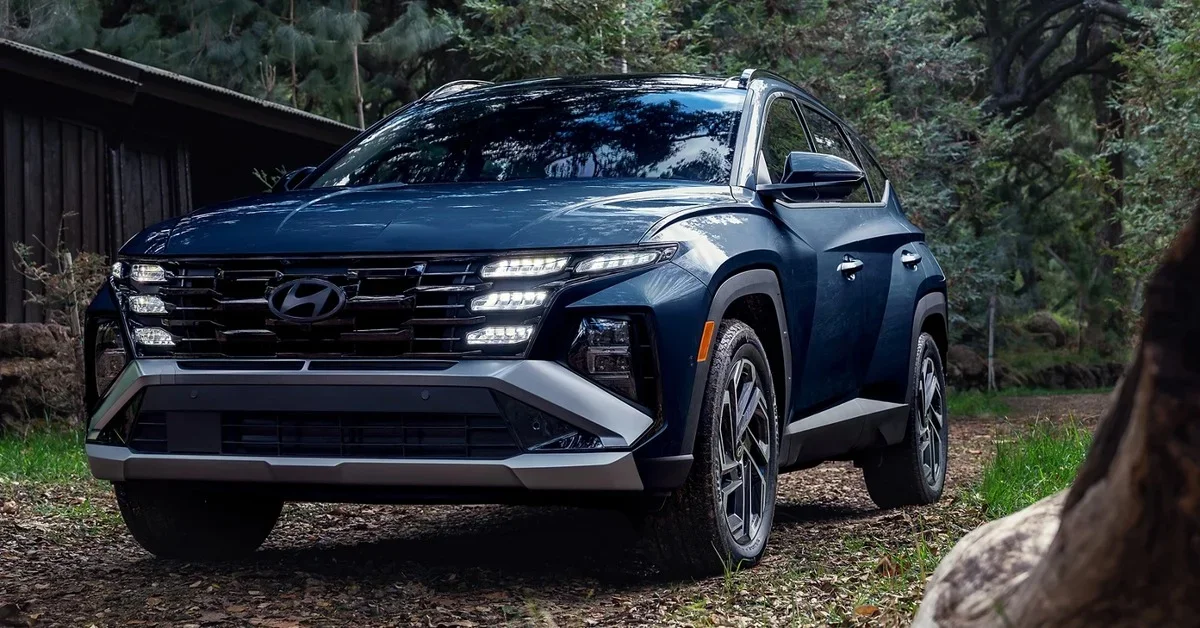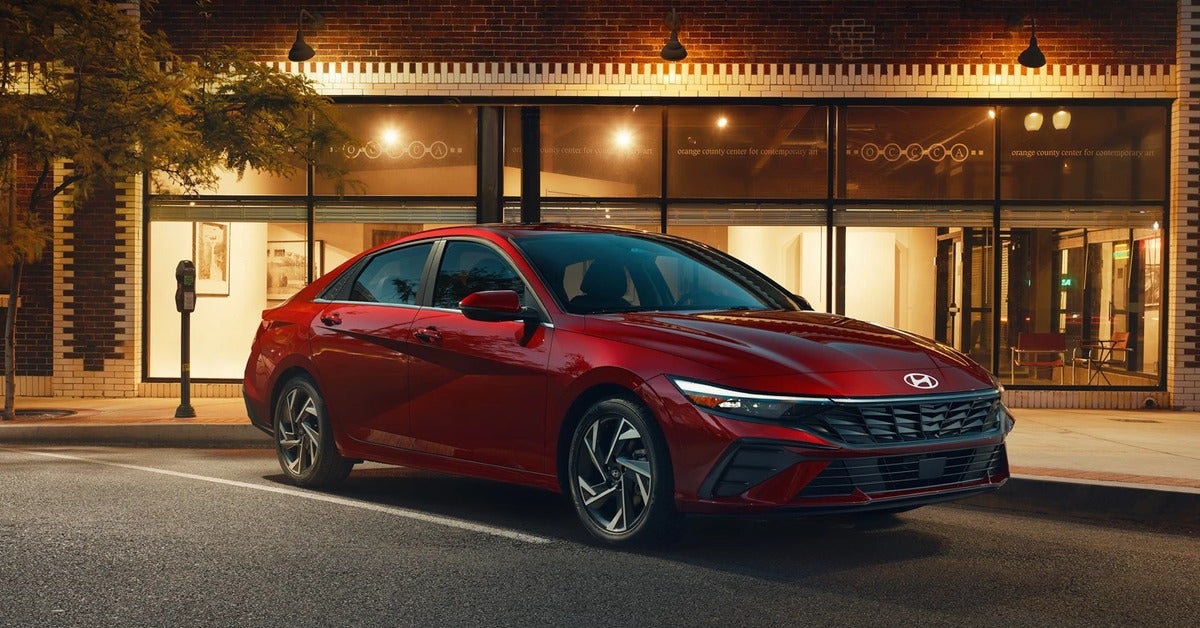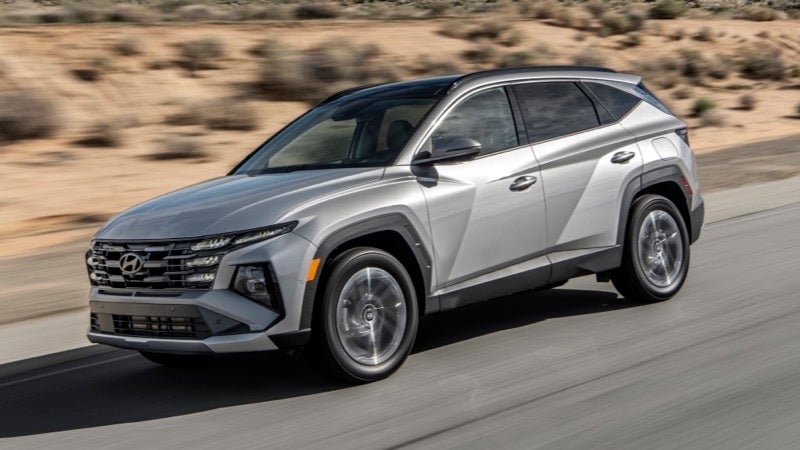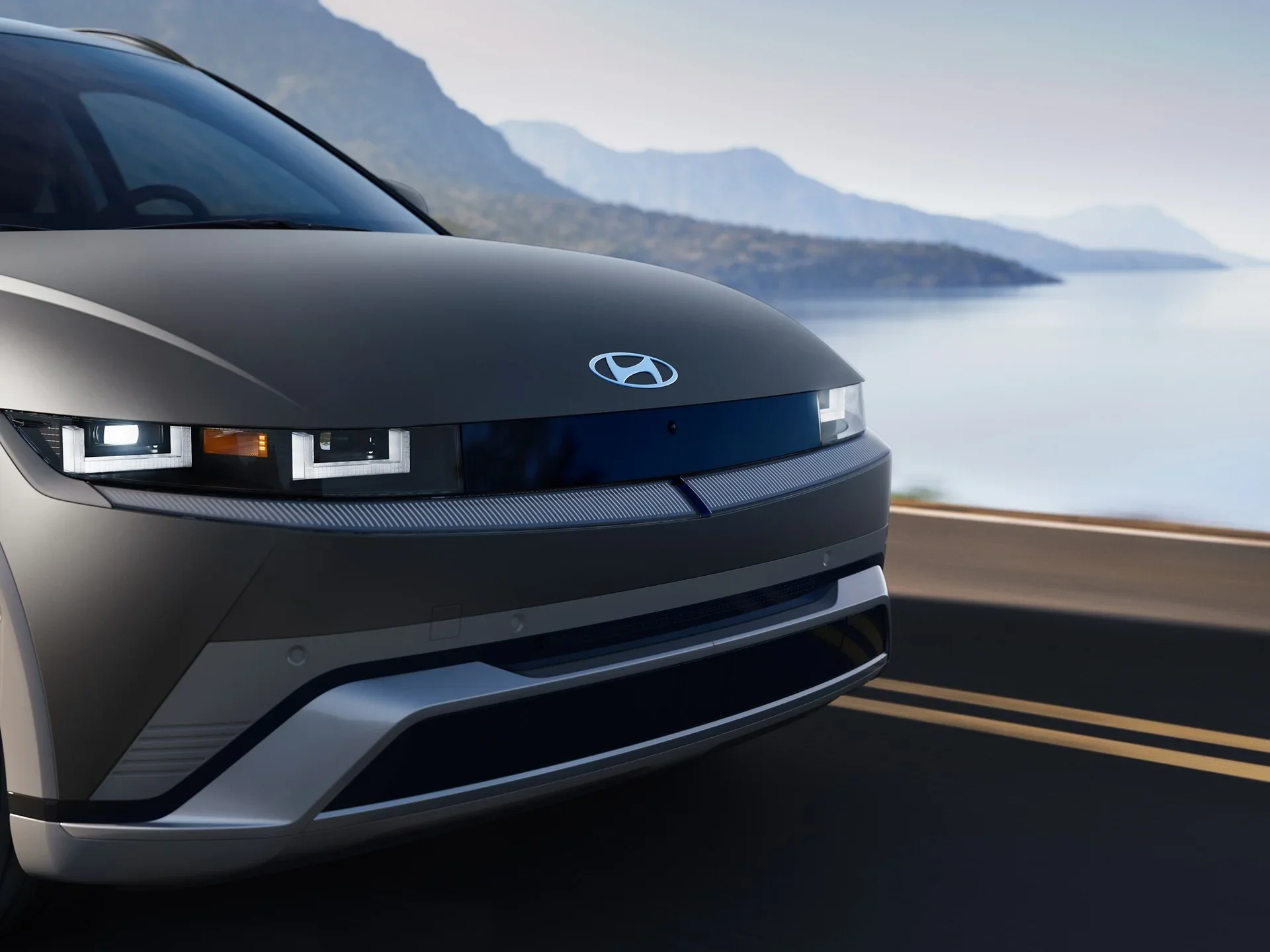
A great EV can make the morning drive from Bonney Lake, Puyallup, or Graham feel quieter and more relaxing. But EV incentives often create more confusion than confidence. Programs have expiration dates, income rules, vehicle requirements, and tax details that can change before a shopper has even finished comparing models.
For Washington drivers considering a Hyundai IONIQ 5, IONIQ 9, Kona Electric, or a pre-owned IONIQ 6, the smart move is to treat any incentive as a potential benefit, not the sole reason to choose a vehicle. The right electric vehicle should still fit your daily range needs, charging access, family space, and long-term budget if a program changes.
EV Incentives in Washington Are Not One Simple Offer
When people say “EV incentive,” they may be talking about several very different programs. Some are federal tax credits. Others come from a utility provider, employer, local agency, automaker, or dealership program. A lease incentive can work differently from a purchase incentive, and a program available one month may not be available the next.
That is why a headline claiming that every EV buyer “gets” an incentive can be misleading. Eligibility is personal. It may depend on where you live, whether you buy or lease, household income, tax situation, the vehicle’s final transaction details, and when you take delivery.
Federal clean-vehicle tax credits that shoppers may remember from prior years ended for vehicles acquired after September 30, 2025. The federal credit for qualifying previously owned clean vehicles ended on the same date, and the federal credit for home charging equipment only covers property placed in service by June 30, 2026. Those changes make it especially important to verify current programs rather than relying on an older article, social post, or conversation with a friend.
Washington’s sales and use tax exemption for qualifying new and used clean alternative-fuel vehicles expired on July 31, 2025. Leases that qualified by then can keep the exemption on payments due through July 31, 2028. State and local programs can be revised or replaced, so buyers should ask for current information at the point they are ready to move forward.
What Can Still Make an Electric Vehicle a Strong Choice?
The absence of a broad tax credit does not erase the everyday value of an EV. For many South Puget Sound households, the bigger question is whether electric driving works well with their real routine.
An IONIQ 5 or Kona Electric can be a practical fit for commuting, school drop-offs, errands, and trips around Pierce County when home charging is available. Waking up to a charged vehicle changes the ownership experience. Instead of stopping for fuel as part of the week, many drivers simply plug in at home and begin each morning with the range they need.
Electricity costs, charging rates, and public-charging availability vary, so the savings are not identical for every household. A driver who can charge overnight at home will usually have a different experience from an apartment resident relying mainly on public chargers. Before choosing an EV, consider your parking setup, your utility rate plan, and how often you take longer trips.
Hybrids remain a thoughtful middle path. A Tucson Hybrid or Santa Fe Hybrid can reduce fuel use without asking you to install charging equipment or map charging stops. For drivers in Orting, South Hill, or Sumner who want efficiency with familiar fueling convenience, that trade-off can be exactly right.
Check Utility and Local EV Programs Before You Buy
While large federal incentives have changed, utility and local opportunities may still be worth investigating. Some programs may support home-charging equipment, electrical upgrades, time-of-use energy plans, or charging access. Availability can differ by service provider, neighborhood, program funding, and application timing.
Start with the utility that serves your home, not just a general statewide search. Ask whether it has an active EV rate plan, a charger rebate, or a program for income-qualified households. Also ask whether the benefit requires approval before equipment is purchased or installed. Missing that sequence is an easy way to lose eligibility.
If you rent, speak with your landlord or property manager early. Charging installation can involve parking assignments, electrical-panel capacity, permits, and shared-property rules. It is better to understand those details before bringing home an EV than to assume a standard outlet in a distant garage will meet your needs.
Public charging can supplement home charging, but it is not always the same as having it where you sleep. Drivers who use public charging should look at stations near home, work, and their most common routes. Check charging speeds, hours, reliability, and whether the location is convenient when you actually need it.
Leasing and Buying Can Produce Different Results
A lease is not simply a shorter loan. The leasing company generally owns the vehicle, which means it may handle any applicable manufacturer or program support differently than an individual buyer would. Those offers can change frequently, and they are separate from a shopper claiming a personal tax credit.
Buying may appeal to someone who plans to keep an EV for many years, drives a predictable number of miles, and wants full ownership. Leasing can appeal to someone who enjoys newer technology, expects their driving needs to change, or wants flexibility as charging networks and EV choices continue to develop.
Neither route wins for every family. Compare the full terms, including mileage limits, wear-and-use expectations, monthly payment, down payment, insurance considerations, and what happens at lease end. A conversation with a financing specialist can make these differences clearer without the pressure to make an immediate decision.
New, Used, and Certified EVs Deserve Different Questions
A new Hyundai EV provides the latest technology, current warranty coverage, and access to the newest available offers. It also gives you the widest ability to choose range, color, trim, and features that matter to your family.
A used or certified pre-owned EV can be compelling for value-focused shoppers, especially when the previous owner has already absorbed the earliest portion of depreciation. Still, do not judge a pre-owned EV by odometer reading alone. Ask about battery warranty coverage, charging history when available, remaining tire life, service records, software updates, and the vehicle’s estimated range.
The right answer may be a new IONIQ 5 for a household that wants fast-charging capability and flexible space, or a pre-owned Kona Electric for a driver with a shorter commute and a more focused budget. If a third-row SUV is the priority, compare the all-electric IONIQ 9 with the Santa Fe Hybrid and Palisade Hybrid. A hybrid or gas-powered SUV can still be the more practical family vehicle depending on towing, road trips, and charging access.
Four Questions to Ask Before Counting on EV Incentives
Before you make a final decision, get clear answers to these four questions:
- Is the program active on the date I take delivery, and does it require an application before purchase or installation?
- Does my household, address, tax situation, or utility account meet the eligibility rules?
- Does the specific vehicle, lease, charger, or electrical project qualify under the current terms?
- Is the benefit a tax credit, rebate, utility-bill discount, manufacturer offer, or financing promotion, and when will I actually receive it?
Keep copies of the program terms, purchase or lease paperwork, charger invoices, and installation records. If a tax professional is involved, ask them how a potential credit fits your individual return before assuming it will reduce what you owe. Dealership staff can explain vehicle and offer details, but personal tax advice belongs with a qualified tax professional.
Choose the EV That Works After the Incentive Ends
The most satisfying vehicle decisions are built on daily life, not a temporary headline. Think about where you park, who rides with you, how far you drive on a normal week, whether you take frequent mountain or coastal trips, and how comfortable you are planning charging stops.
Korum Hyundai is part of the family-owned Korum Automotive Group, which has spent more than 60 years helping Washington families choose vehicles with the long view in mind. If you are EV-curious, compare an IONIQ or Kona Electric with a Hyundai hybrid side by side, ask direct questions about available incentives and charging, and take a test drive that reflects your real commute. When you are ready, explore current inventory and speak with a team member about financing options that fit your next step.
Frequently Asked Questions
What EV programs does Puget Sound Energy offer Puyallup drivers?
Puget Sound Energy, which serves much of Puyallup, runs electric vehicle programs that have covered home charging, discounted public charging and charging rates. Offers, funding and eligibility change, so check the PSE electric car pages or call before you buy equipment. Some nearby addresses are served by Tacoma Power or another utility, so confirm your provider first.
Do electric vehicles pay extra registration fees in Washington?
Yes. The Washington Department of Licensing adds electric vehicle fees when you register or renew tabs on a battery electric car, on top of the standard fees. The exact total depends on your vehicle and where you live. The DOL tab fee calculator on the department website shows the current amounts before you buy.
Can a new EV lease still get the Washington sales tax exemption?
No. The exemption ended for new purchases and new leases. Only leases that already qualified before the cutoff can keep claiming it on later lease payments, and only through a set end date. Any lease offered today should be judged on its own terms, such as monthly payment, amount due at signing, mileage allowance and end of lease options.
Is a hybrid a better choice if I cannot charge at home in Pierce County?
Often, yes. A Tucson Hybrid, Santa Fe Hybrid or Palisade Hybrid recharges its own battery while you drive, so there is nothing to plug in and no charging stops to plan. That suits apartment residents and drivers with long commutes on I-5 or Highway 167. If home charging becomes possible later, an EV is still an easy next step.