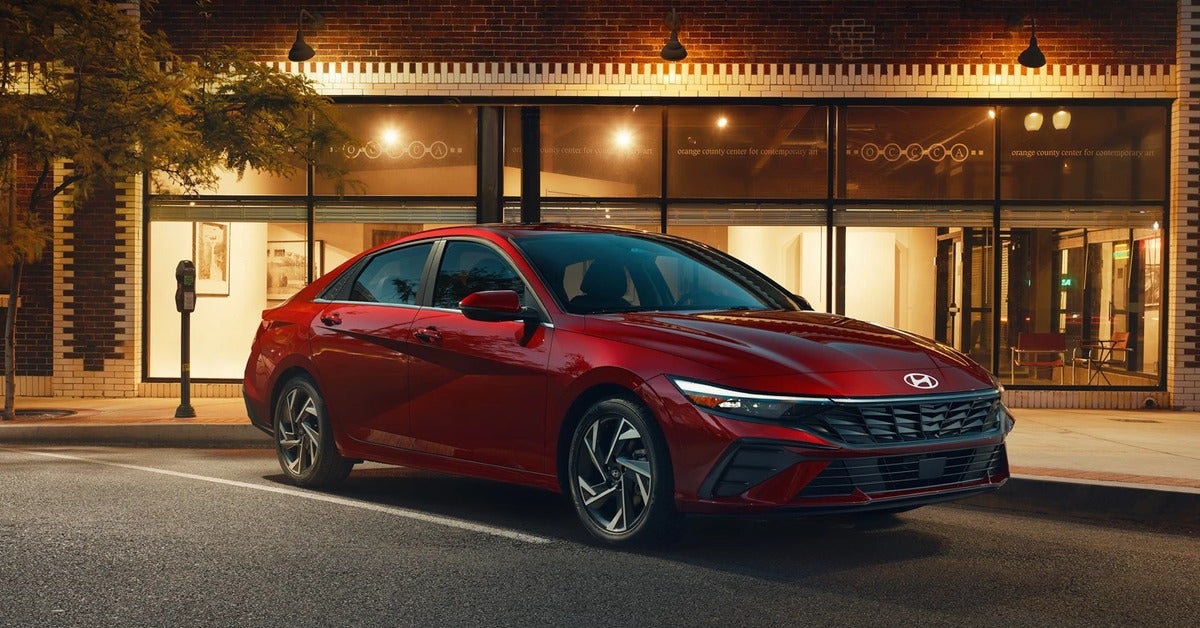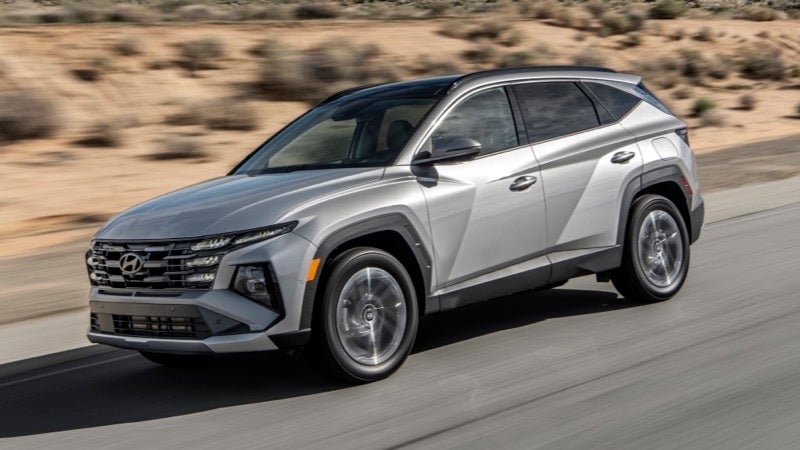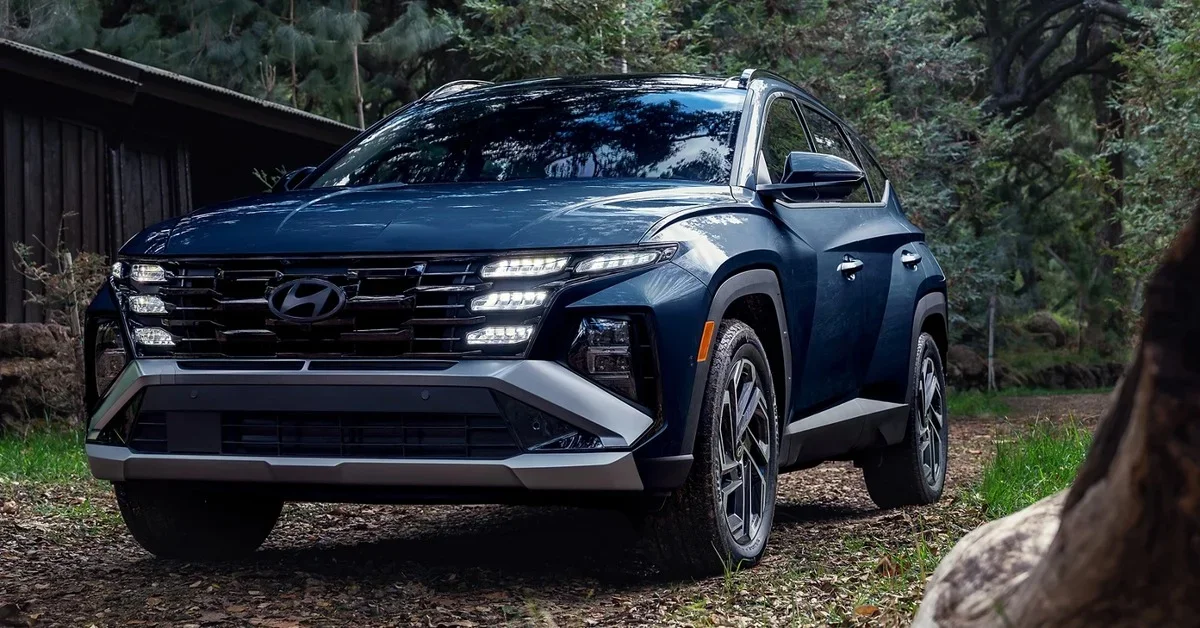
A Hyundai can be a practical fit for life around South Puget Sound, whether that means school drop-offs in Puyallup, weekend trips toward the mountains, or a quieter commute in an EV. Knowing how to finance a Hyundai before you choose a vehicle helps keep the excitement of a Tucson, Santa Fe, Palisade, or IONIQ from turning into a rushed decision at the paperwork table.
The right financing plan is not always the one with the lowest monthly payment. It is the plan that fits your budget, driving habits, trade-in, and how long you expect to keep the vehicle. Here is how to approach the process with clarity.
Start With the Vehicle That Fits Your Life
Financing decisions get easier when you first narrow down what you actually need. A compact SUV such as the Hyundai Tucson can make sense for drivers who want easy daily maneuverability with useful cargo room. The Santa Fe provides more room for growing families, while the Palisade is built for shoppers who regularly need three rows.
For drivers considering an electrified Hyundai, your home charging situation and typical mileage matter as much as the vehicle itself. An IONIQ 5, IONIQ 9, Kona Electric, pre-owned IONIQ 6, or Hyundai hybrid may reduce fuel stops, but your financing choice should still account for insurance, charging equipment if needed, and the ownership timeline you have in mind.
A test drive can answer questions a spec sheet cannot. Bring the car seats, check the cargo area, and see how the seating position feels. Before financing, take time to compare the new Hyundai models that suit your routine rather than focusing on a payment alone.
Set a Comfortable All-In Monthly Budget
Your vehicle payment is only one part of ownership. Build a monthly budget that includes insurance, fuel or electricity, routine maintenance, registration, and an allowance for unexpected expenses. A payment that looks manageable by itself can feel different once every other cost arrives.
A useful starting point is to decide what monthly amount feels comfortable even during a less-than-perfect month. Then consider your down payment and trade-in separately. Putting more down can lower the amount financed, but it may not be wise to use every dollar in savings. Keeping an emergency cushion often matters more than pushing for a slightly smaller payment.
If you have a trade-in, get a clear appraisal before treating its value as part of your plan. Its equity can reduce the amount you borrow. If you owe more than the vehicle is worth, that difference may be rolled into the new loan, which deserves an honest conversation before you move forward.
How to Finance a Hyundai With a Loan
Most buyers finance through either a dealership-arranged loan, a bank, or a credit union. Each route can be worthwhile, and comparing offers is sensible. The key details are the annual percentage rate, loan term, total amount financed, and any required conditions, not just the monthly payment.
A longer term can lower the payment, which may help a household budget. The trade-off is that you generally pay interest for longer and may build equity more slowly. A shorter term usually means a higher payment but can reduce overall interest and get you to full ownership sooner.
Your credit profile affects available rates, but a strong credit score is not the only path to financing. Income, employment history, debt obligations, down payment, and the vehicle being financed all play a role. If your credit is still being built or has taken a hit, be direct about it. A transparent finance conversation is more useful than applying for a payment that will strain your budget.
Before you sign, review the contract line by line. Make sure you understand the payment due date, the term, whether the rate is fixed, and what optional protection products are included. Some products may be a good fit for your circumstances. Others may not be necessary. You should always feel comfortable asking what each item does and whether it is optional.
Consider Preapproval, but Keep It Flexible
Getting preapproved through your bank or credit union can establish a budget and give you a point of comparison. It can also reduce uncertainty if you are shopping for a used vehicle, where age and mileage can affect financing options.
Still, preapproval does not mean you should stop comparing. A dealership may have lending relationships or manufacturer-supported programs that are competitive for qualified buyers. Bring your preapproval details with you, then compare the complete terms on the same vehicle and loan length.
Korum Hyundai can help shoppers sort through those choices without turning the conversation into a guessing game. The goal is to understand your options clearly enough to make a decision you will feel good about after the keys are in your hand.
New, Used, or Certified Pre-Owned?
New Hyundai vehicles can come with the latest safety technology, infotainment features, warranty coverage, and access to current manufacturer programs. For EV and hybrid shoppers, a new model may also offer the exact battery range, trim, and charging features they want.
Used vehicles can be appealing if your priority is stretching your budget or finding a specific feature set at a different point in the ownership cycle. With a used vehicle, pay close attention to mileage, condition, vehicle history, remaining warranty coverage, and the loan term available. Financing a vehicle for much longer than you expect it to serve your needs can create problems later.
Certified pre-owned Hyundai models offer a middle ground for many buyers. They can provide added inspection standards and warranty benefits while giving value-minded shoppers more choices. Compare the total financing terms and ownership protections, not simply the vehicle age.
Ask About Hyundai Programs You May Qualify For
Some shoppers may qualify for programs based on their life stage or profession. Hyundai programs can be available for military personnel, first responders, recent college graduates, and mobility-focused buyers, subject to current eligibility requirements. Manufacturer offers change, so it is best to ask about active options when you are ready to purchase rather than relying on an older promotion.
EV shoppers should also ask whether any utility, manufacturer, or local incentives may apply to their situation. Federal EV purchase credits ended for vehicles acquired after September 30, 2025, and Washington's EV sales-tax exemption expired on July 31, 2025. Eligibility can depend on the vehicle, buyer, income, purchase structure, and current rules. Treat possible incentives as a question to investigate, not money to assume in your budget before confirming the details.
Do Not Forget the Trade-Off Between Buying and Leasing
Financing means you are working toward ownership. That can be a strong choice if you plan to keep your Hyundai for many years, drive more than average, or want the freedom to customize your vehicle within warranty guidelines.
Leasing may appeal to drivers who prefer changing vehicles every few years and want a predictable term. But leases typically include mileage limits and condition requirements at turn-in. If you take frequent road trips from Bonney Lake, Sumner, or Graham, estimate your annual mileage honestly before choosing that route.
Neither choice is automatically better. Buying is often about long-term ownership and equity. Leasing is often about flexibility and shorter cycles. Your plans should decide it.
Bring the Right Information to the Finance Conversation
Having a few documents ready can make the process smoother. Bring a valid driver license, proof of income if requested, proof of residence, insurance information, and trade-in details such as the title or payoff information when applicable. If you are applying with a co-buyer, both applicants should be prepared to provide the needed information.
It also helps to write down your priorities before you arrive. Are you trying to stay below a certain monthly payment? Do you want to pay the loan off quickly? Is all-wheel drive essential? Are you deciding between a gas Tucson and a hybrid? Clear priorities make it easier to evaluate choices without getting distracted by features that do not serve your daily life.
The best next step is simple: browse vehicles that match your needs, schedule a test drive, and complete a finance application when you are ready. A good financing experience should leave you with more than a Hyundai you enjoy driving. It should leave you confident that the plan behind it works for your family, too.
Frequently Asked Questions
What do I need to register a new Hyundai in Washington?
When you buy from a dealer, the dealership typically handles the title application and first registration, and the fees are listed on your purchase paperwork. You will need a valid driver license, proof of insurance and your address. After that, you renew tabs through the Washington Department of Licensing or a local vehicle licensing office.
Can I finance a Hyundai with limited credit history?
Often, yes. Lenders look at income, job history, existing debts and the down payment along with your credit file. A larger down payment, a co-buyer with established credit or a less expensive vehicle can all help. Recent college graduates may also qualify for Hyundai program offers. The Korum Hyundai finance team can review options without pressure.
How does a trade-in work when I finance at Korum Hyundai?
Your trade is appraised, and any equity is applied toward the new vehicle, which lowers the amount you finance. If you still owe money, the dealership pays off the old loan as part of the deal. If you owe more than the trade is worth, that gap must be paid or financed, so ask to see each number separately.
Should I choose a longer loan to lower my payment?
A longer term lowers the monthly payment but usually raises the total interest you pay and slows how fast you build equity. That can matter if you trade early. A shorter term costs more each month but saves money overall. Compare total cost on two or three terms for the same Hyundai before deciding.