Blog

2026 Hyundai SUV Buying Guide for Washington

2026 Hyundai SUV Buying Guide for Washington

A weekday commute over the Puyallup River, a rainy soccer pickup in South Hill, a weekend at Mount Rainier, and a full Costco run can ask very different things of an SUV. That is why a useful 2026 Hyundai SUV buying guide starts with your routine, not a trim-level brochure. Hyundai's SUV lineup gives Washington families and commuters meaningful choices in size, powertrain, seating, and all-weather confidence, but the best fit depends on how you actually drive.

For South Puget Sound shoppers, the decision often comes down to three questions: Do you need two or three rows? Does a hybrid or EV suit your daily mileage and charging access? And is a new Hyundai or a carefully selected pre-owned model the better value for your household?

Start with the size your life requires

The easiest way to narrow the lineup is to be honest about passenger space. An SUV that feels roomy during a solo test drive can feel very different with child seats, teenagers, a dog, or visiting family aboard.

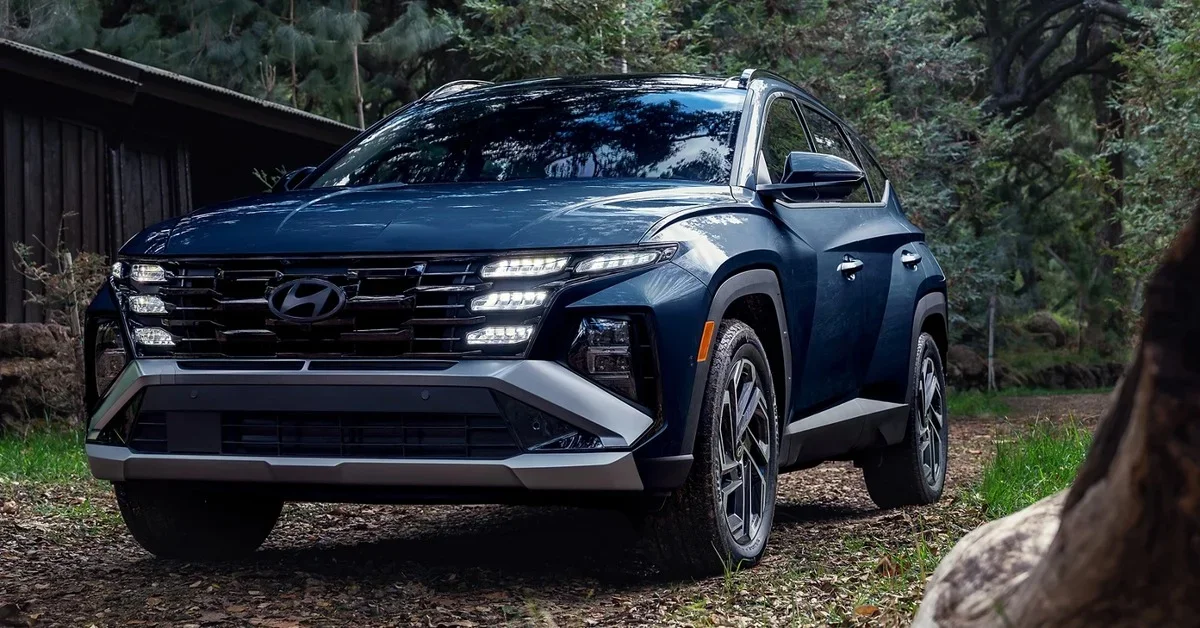
Hyundai Tucson: the practical five-passenger choice

The Tucson is the right starting point for many couples, small families, and commuters around Puyallup, Sumner, and Bonney Lake. It provides two rows of seating, a versatile cargo area, and a footprint that is easier to live with in tight parking lots than a larger three-row SUV.

Choose the Tucson if most trips involve one to four people and you want enough room for strollers, sports bags, groceries, or camping equipment without stepping up to a larger vehicle. It is also available with gas, hybrid, and plug-in hybrid powertrains, making it one of Hyundai's most flexible SUV choices.

The trade-off is simple: it does not offer a third row. If you regularly transport more than five people, or want the ability to bring friends along without taking two vehicles, look at the Santa Fe or Palisade instead.

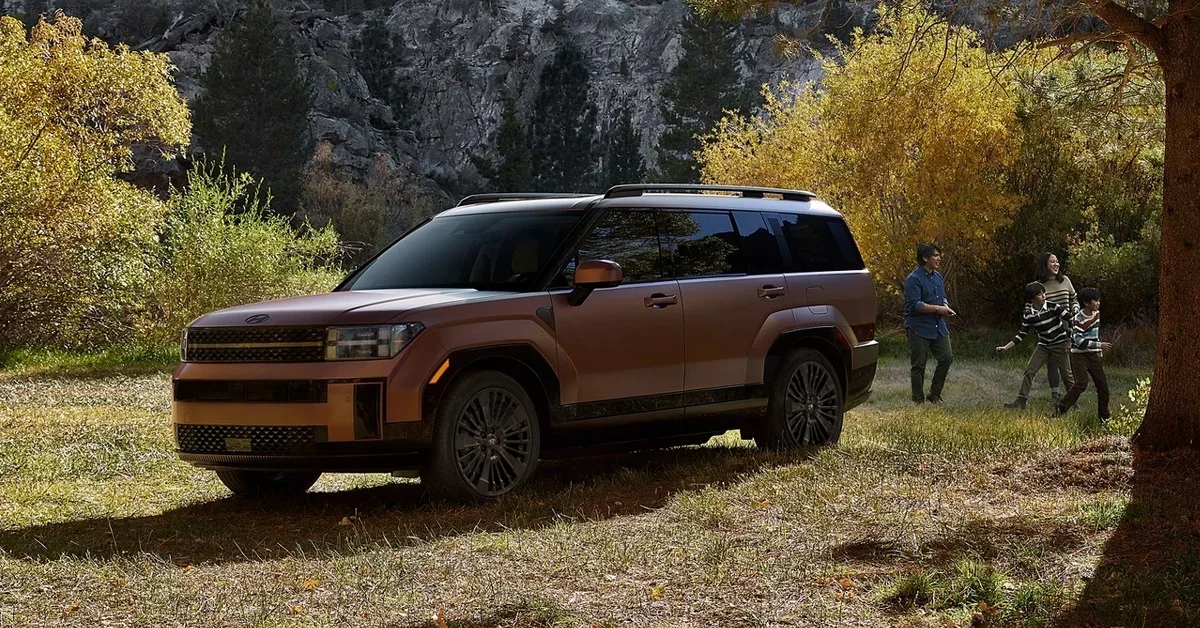
Hyundai Santa Fe: the middle ground for growing families

The Santa Fe is built for shoppers who need more flexibility than a compact SUV can provide. Its three-row layout can make a genuine difference for carpools, grandparents, or kids who prefer a little more elbow room. The wider, more squared-off design also makes loading bulkier items easier than in many midsize SUVs.

This is often the sweet spot for a family that does not need every seat occupied every day. Keep the third row folded for cargo most of the time, then bring it into play when extra passengers join the plan. Santa Fe Hybrid models are especially worth considering for drivers who want family-friendly room while reducing fuel stops.

Hyundai Palisade: the three-row SUV for regular people-hauling

If your third row will be used often, the Palisade deserves a close look. It is Hyundai's largest traditional SUV, with seating for up to eight depending on configuration and the space to make longer trips more comfortable for a full crew.

The Palisade fits families with multiple child seats, frequent carpools, active travel schedules, or a need to tow within its properly equipped limits. Its size is a benefit on road trips and a consideration in daily parking. Before choosing it, take a test drive on roads and parking areas you use regularly, not just a quick loop around the dealership.

Gas, hybrid, plug-in hybrid, or EV?

There is no single best powertrain for every Pierce County driver. The right answer comes down to mileage, access to home charging, travel habits, and how long you plan to keep the vehicle.

A conventional gas Tucson, Santa Fe, or Palisade remains a straightforward choice for drivers who take longer trips often, cannot charge at home, or simply prefer familiar fueling routines. Modern Hyundai SUVs offer useful driver-assistance technology and comfortable everyday capability without requiring a change in how you travel.

A hybrid is often the easiest first step toward electrification. Tucson Hybrid, Santa Fe Hybrid, and Palisade Hybrid models recharge their batteries as you drive, so there is no need to plug in. They can be particularly compelling for commuters who spend time in stop-and-go traffic on Highway 167, SR 512, or I-5, where hybrid systems can make efficient use of braking and lower-speed driving.

A plug-in hybrid can make sense when your regular daily driving is short enough to use its electric-only capability frequently and you have a dependable place to charge. If you cannot plug in consistently, a standard hybrid may be the more practical choice.

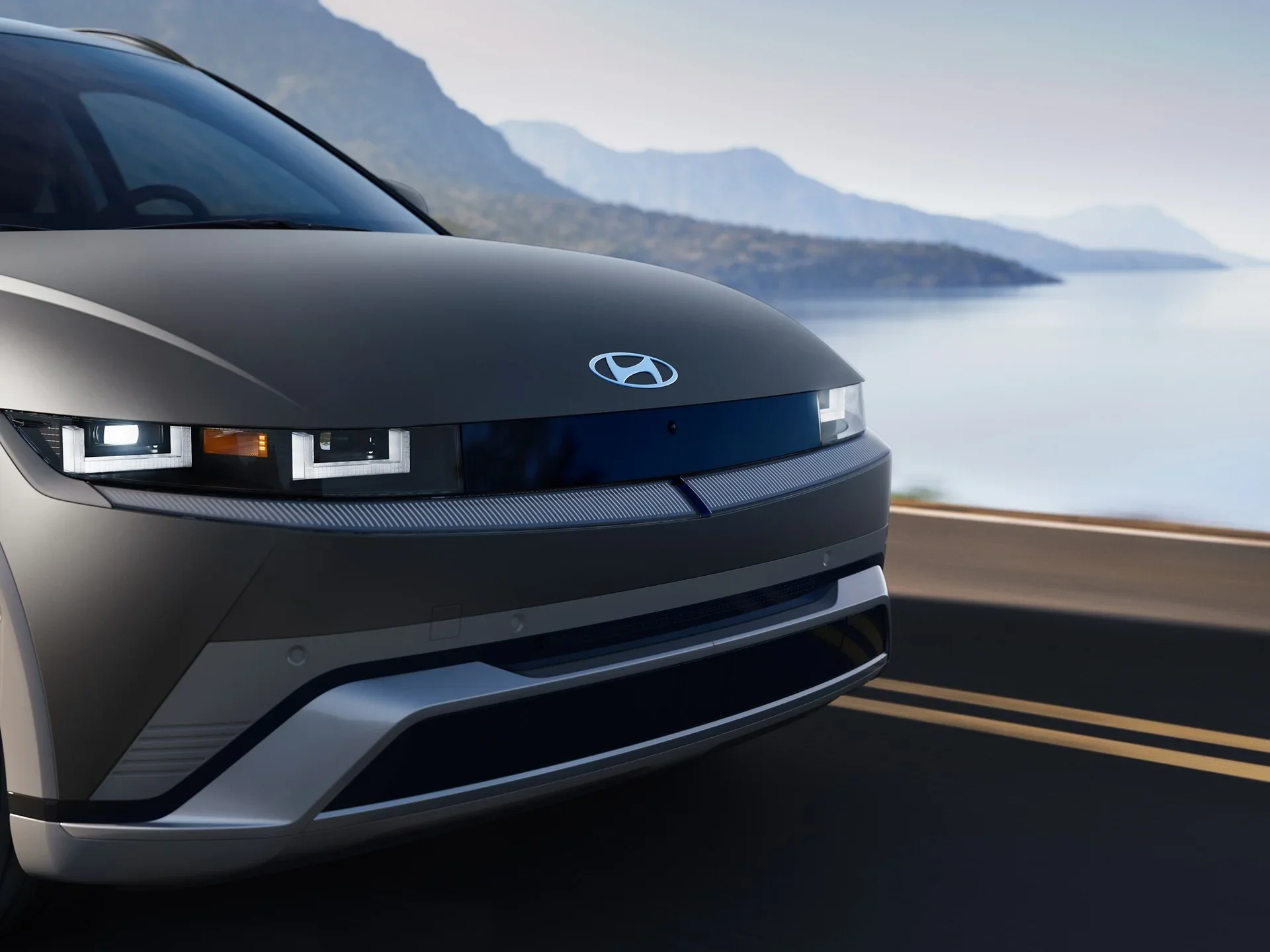
For drivers ready to go fully electric, Hyundai offers distinct options. The Kona Electric is compact and well suited to solo commuters or smaller households. The IONIQ 5 brings a more spacious, SUV-like cabin and available all-wheel-drive capability. The three-row IONIQ 9 is designed for larger families who want electric travel without giving up passenger room. EPA range estimates vary by model, battery, drivetrain, wheels, and equipment, so compare the exact vehicle you are considering rather than relying on a single headline number.

Home charging is the key question for most EV shoppers. A Level 2 charger can make overnight charging convenient, while public fast charging supports road trips and longer regional travel. Ask yourself where the vehicle will sit overnight, whether your electrical setup can support home charging, and how often you drive beyond the vehicle's expected range in a day. An EV can be a great fit for Washington driving, but it should fit your charging life as comfortably as it fits your garage.

What to compare during a 2026 Hyundai SUV test drive

Specifications are useful, but a test drive reveals the details that affect ownership every day. Bring the people and gear that matter when possible. Install a child seat if you use one. Check how easily a stroller, hockey bag, mobility device, or folding chairs fit in the cargo area.

Pay attention to visibility in rain, ease of entering the second and third rows, and how the seats feel after more than a few minutes. If you are comparing the Tucson and Santa Fe, sit behind your normal driving position. If you are considering the Palisade or IONIQ 9, have an adult spend time in the third row rather than assuming it will work.

Technology should be tested, not just admired. Try the screen menus, phone connection, camera views, climate controls, and available driver-assistance features. The best setup is the one that feels intuitive when you are tired, carrying groceries, or heading home in the dark.

New versus used: choose based on ownership goals

A new 2026 Hyundai makes sense when you want the newest design, current safety and connectivity features, the widest powertrain selection, and full factory warranty coverage. It can also be the better route when a particular configuration matters, such as a hybrid, an EV, all-wheel drive, or a specific seating arrangement.

A used Hyundai may be a smart alternative if your priority is stretching your vehicle budget, avoiding the wait for a particular incoming model, or finding a well-equipped SUV from a recent model year. Certified pre-owned vehicles can be especially attractive for shoppers who want added inspection standards and warranty support, though exact program terms should always be reviewed for the individual vehicle.

The right comparison is not just monthly payment versus monthly payment. Consider mileage, remaining warranty coverage, expected maintenance, insurance, fuel or charging costs, and how long you expect to own the SUV. A transparent financing conversation can help clarify those trade-offs without pushing you toward a vehicle that does not fit.

Plan for Washington weather and long-term care

All-wheel drive can add confidence on wet roads, snowy passes, and loose surfaces, but it is not a substitute for proper tires, safe following distances, or regular maintenance. If winter trips to the mountains are part of your routine, discuss tire choices and your expected conditions during your visit.

Hybrid, gas, and EV vehicles all benefit from consistent service. Tire rotations, brake inspections, fluid checks where applicable, battery-system inspections, and software updates help protect reliability over time. EVs have different routine maintenance needs than gas vehicles, but they still need professional attention. Factory-trained technicians can help you follow the maintenance schedule that matches your specific Hyundai.

Korum Hyundai and the family-owned Korum Automotive Group have served Washington drivers for more than 60 years with a People First, Cars Second approach. Whether you are comparing a Tucson Hybrid with a Santa Fe, considering your first EV, or deciding between new and pre-owned, bring your real-world questions to the conversation. Browse available SUVs, schedule a test drive with the people who will ride in it, and take the time to choose the Hyundai that makes every ordinary trip easier.

Frequently Asked Questions

Which Hyundai SUVs come as a hybrid for Puyallup commuters?

The Tucson, Santa Fe and Palisade are all offered with a hybrid powertrain, and the Tucson is also available as a plug-in hybrid. Hybrids recharge while you drive, so they suit stop-and-go traffic on Highway 167, SR 512 and I-5 without any change to how you fuel up. Korum Hyundai can line up the gas and hybrid versions side by side.

Do I need all-wheel drive for trips to Mount Rainier or the Cascades?

Not always, but it helps. All-wheel drive adds traction on wet or snowy roads, while good tires matter just as much for stopping and steering. During winter, WSDOT can require traction tires or chains on mountain passes, so check pass reports before you leave. Most Hyundai SUVs offer HTRAC all-wheel drive on many trims.

Is a certified pre-owned Hyundai SUV worth it over a regular used one?

For many buyers, yes. Hyundai certified used vehicles pass a multi-point inspection and carry a 10-year or 100,000-mile powertrain limited warranty counted from the original in-service date, plus other program benefits. A regular used SUV can cost less, so compare the remaining coverage, mileage and price on the specific vehicles you are considering.

Can I bring my car seats to a test drive at Korum Hyundai?

Bringing the car seats, strollers or sports gear you use every day is one of the best ways to compare SUVs. Installing a child seat shows how easy the anchors are to reach and how much room is left in the second row. Let the Korum Hyundai team know when you book so the vehicles you want to compare are ready.
Recommended Posts

How to Finance a Hyundai Without Guesswork

How to Finance a Hyundai Without Guesswork

A Hyundai can be a practical fit for life around South Puget Sound, whether that means school drop-offs in Puyallup, weekend trips toward the mountains, or a quieter commute in an EV. Knowing how to finance a Hyundai before you choose a vehicle helps keep the excitement of a Tucson, Santa Fe, Palisade, or IONIQ from turning into a rushed decision at the paperwork table. The right financing plan is not always the one with the lowest monthly payment. It is the plan that fits your budget, driving habits, trade-in, and how long you expect to keep the vehicle. Here is how to approach the process with clarity. Start With the Vehicle That Fits Your Life Financing decisions get easier when you first narrow down what you actually need. A compact SUV such as the Hyundai Tucson can make sense for drivers who want easy daily maneuverability with useful cargo room. The Santa Fe provides more room for growing families, while the Palisade is built for shoppers who regularly need three rows. For drivers considering an electrified Hyundai, your home charging situation and typical mileage matter as much as the vehicle itself. An IONIQ 5, IONIQ 9, Kona Electric, pre-owned IONIQ 6, or Hyundai hybrid may reduce fuel stops, but your financing choice should still account for insurance, charging equipment if needed, and the ownership timeline you have in mind. A test drive can answer questions a spec sheet cannot. Bring the car seats, check the cargo area, and see how the seating position feels. Before financing, take time to compare the new Hyundai models that suit your routine rather than focusing on a payment alone. Set a Comfortable All-In Monthly Budget Your vehicle payment is only one part of ownership. Build a monthly budget that includes insurance, fuel or electricity, routine maintenance, registration, and an allowance for unexpected expenses. A payment that looks manageable by itself can feel different once every other cost arrives. A useful starting point is to decide what monthly amount feels comfortable even during a less-than-perfect month. Then consider your down payment and trade-in separately. Putting more down can lower the amount financed, but it may not be wise to use every dollar in savings. Keeping an emergency cushion often matters more than pushing for a slightly smaller payment. If you have a trade-in, get a clear appraisal before treating its value as part of your plan. Its equity can reduce the amount you borrow. If you owe more than the vehicle is worth, that difference may be rolled into the new loan, which deserves an honest conversation before you move forward. How to Finance a Hyundai With a Loan Most buyers finance through either a dealership-arranged loan, a bank, or a credit union. Each route can be worthwhile, and comparing offers is sensible. The key details are the annual percentage rate, loan term, total amount financed, and any required conditions, not just the monthly payment. A longer term can lower the payment, which may help a household budget. The trade-off is that you generally pay interest for longer and may build equity more slowly. A shorter term usually means a higher payment but can reduce overall interest and get you to full ownership sooner. Your credit profile affects available rates, but a strong credit score is not the only path to financing. Income, employment history, debt obligations, down payment, and the vehicle being financed all play a role. If your credit is still being built or has taken a hit, be direct about it. A transparent finance conversation is more useful than applying for a payment that will strain your budget. Before you sign, review the contract line by line. Make sure you understand the payment due date, the term, whether the rate is fixed, and what optional protection products are included. Some products may be a good fit for your circumstances. Others may not be necessary. You should always feel comfortable asking what each item does and whether it is optional. Consider Preapproval, but Keep It Flexible Getting preapproved through your bank or credit union can establish a budget and give you a point of comparison. It can also reduce uncertainty if you are shopping for a used vehicle, where age and mileage can affect financing options. Still, preapproval does not mean you should stop comparing. A dealership may have lending relationships or manufacturer-supported programs that are competitive for qualified buyers. Bring your preapproval details with you, then compare the complete terms on the same vehicle and loan length. Korum Hyundai can help shoppers sort through those choices without turning the conversation into a guessing game. The goal is to understand your options clearly enough to make a decision you will feel good about after the keys are in your hand. New, Used, or Certified Pre-Owned? New Hyundai vehicles can come with the latest safety technology, infotainment features, warranty coverage, and access to current manufacturer programs. For EV and hybrid shoppers, a new model may also offer the exact battery range, trim, and charging features they want. Used vehicles can be appealing if your priority is stretching your budget or finding a specific feature set at a different point in the ownership cycle. With a used vehicle, pay close attention to mileage, condition, vehicle history, remaining warranty coverage, and the loan term available. Financing a vehicle for much longer than you expect it to serve your needs can create problems later. Certified pre-owned Hyundai models offer a middle ground for many buyers. They can provide added inspection standards and warranty benefits while giving value-minded shoppers more choices. Compare the total financing terms and ownership protections, not simply the vehicle age. Ask About Hyundai Programs You May Qualify For Some shoppers may qualify for programs based on their life stage or profession. Hyundai programs can be available for military personnel, first responders, recent college graduates, and mobility-focused buyers, subject to current eligibility requirements. Manufacturer offers change, so it is best to ask about active options when you are ready to purchase rather than relying on an older promotion. EV shoppers should also ask whether any utility, manufacturer, or local incentives may apply to their situation. Federal EV purchase credits ended for vehicles acquired after September 30, 2025, and Washington's EV sales-tax exemption expired on July 31, 2025. Eligibility can depend on the vehicle, buyer, income, purchase structure, and current rules. Treat possible incentives as a question to investigate, not money to assume in your budget before confirming the details. Do Not Forget the Trade-Off Between Buying and Leasing Financing means you are working toward ownership. That can be a strong choice if you plan to keep your Hyundai for many years, drive more than average, or want the freedom to customize your vehicle within warranty guidelines. Leasing may appeal to drivers who prefer changing vehicles every few years and want a predictable term. But leases typically include mileage limits and condition requirements at turn-in. If you take frequent road trips from Bonney Lake, Sumner, or Graham, estimate your annual mileage honestly before choosing that route. Neither choice is automatically better. Buying is often about long-term ownership and equity. Leasing is often about flexibility and shorter cycles. Your plans should decide it. Bring the Right Information to the Finance Conversation Having a few documents ready can make the process smoother. Bring a valid driver license, proof of income if requested, proof of residence, insurance information, and trade-in details such as the title or payoff information when applicable. If you are applying with a co-buyer, both applicants should be prepared to provide the needed information. It also helps to write down your priorities before you arrive. Are you trying to stay below a certain monthly payment? Do you want to pay the loan off quickly? Is all-wheel drive essential? Are you deciding between a gas Tucson and a hybrid? Clear priorities make it easier to evaluate choices without getting distracted by features that do not serve your daily life. The best next step is simple: browse vehicles that match your needs, schedule a test drive, and complete a finance application when you are ready. A good financing experience should leave you with more than a Hyundai you enjoy driving. It should leave you confident that the plan behind it works for your family, too. Frequently Asked Questions What do I need to register a new Hyundai in Washington? When you buy from a dealer, the dealership typically handles the title application and first registration, and the fees are listed on your purchase paperwork. You will need a valid driver license, proof of insurance and your address. After that, you renew tabs through the Washington Department of Licensing or a local vehicle licensing office. Can I finance a Hyundai with limited credit history? Often, yes. Lenders look at income, job history, existing debts and the down payment along with your credit file. A larger down payment, a co-buyer with established credit or a less expensive vehicle can all help. Recent college graduates may also qualify for Hyundai program offers. The Korum Hyundai finance team can review options without pressure. How does a trade-in work when I finance at Korum Hyundai? Your trade is appraised, and any equity is applied toward the new vehicle, which lowers the amount you finance. If you still owe money, the dealership pays off the old loan as part of the deal. If you owe more than the trade is worth, that gap must be paid or financed, so ask to see each number separately. Should I choose a longer loan to lower my payment? A longer term lowers the monthly payment but usually raises the total interest you pay and slows how fast you build equity. That can matter if you trade early. A shorter term costs more each month but saves money overall. Compare total cost on two or three terms for the same Hyundai before deciding.

EV Incentives in Washington: What Buyers Should Know

EV Incentives in Washington: What Buyers Should Know

A great EV can make the morning drive from Bonney Lake, Puyallup, or Graham feel quieter and more relaxing. But EV incentives often create more confusion than confidence. Programs have expiration dates, income rules, vehicle requirements, and tax details that can change before a shopper has even finished comparing models. For Washington drivers considering a Hyundai IONIQ 5, IONIQ 9, Kona Electric, or a pre-owned IONIQ 6, the smart move is to treat any incentive as a potential benefit, not the sole reason to choose a vehicle. The right electric vehicle should still fit your daily range needs, charging access, family space, and long-term budget if a program changes. EV Incentives in Washington Are Not One Simple Offer When people say “EV incentive,” they may be talking about several very different programs. Some are federal tax credits. Others come from a utility provider, employer, local agency, automaker, or dealership program. A lease incentive can work differently from a purchase incentive, and a program available one month may not be available the next. That is why a headline claiming that every EV buyer “gets” an incentive can be misleading. Eligibility is personal. It may depend on where you live, whether you buy or lease, household income, tax situation, the vehicle’s final transaction details, and when you take delivery. Federal clean-vehicle tax credits that shoppers may remember from prior years ended for vehicles acquired after September 30, 2025. The federal credit for qualifying previously owned clean vehicles ended on the same date, and the federal credit for home charging equipment only covers property placed in service by June 30, 2026. Those changes make it especially important to verify current programs rather than relying on an older article, social post, or conversation with a friend. Washington’s sales and use tax exemption for qualifying new and used clean alternative-fuel vehicles expired on July 31, 2025. Leases that qualified by then can keep the exemption on payments due through July 31, 2028. State and local programs can be revised or replaced, so buyers should ask for current information at the point they are ready to move forward. What Can Still Make an Electric Vehicle a Strong Choice? The absence of a broad tax credit does not erase the everyday value of an EV. For many South Puget Sound households, the bigger question is whether electric driving works well with their real routine. An IONIQ 5 or Kona Electric can be a practical fit for commuting, school drop-offs, errands, and trips around Pierce County when home charging is available. Waking up to a charged vehicle changes the ownership experience. Instead of stopping for fuel as part of the week, many drivers simply plug in at home and begin each morning with the range they need. Electricity costs, charging rates, and public-charging availability vary, so the savings are not identical for every household. A driver who can charge overnight at home will usually have a different experience from an apartment resident relying mainly on public chargers. Before choosing an EV, consider your parking setup, your utility rate plan, and how often you take longer trips. Hybrids remain a thoughtful middle path. A Tucson Hybrid or Santa Fe Hybrid can reduce fuel use without asking you to install charging equipment or map charging stops. For drivers in Orting, South Hill, or Sumner who want efficiency with familiar fueling convenience, that trade-off can be exactly right. Check Utility and Local EV Programs Before You Buy While large federal incentives have changed, utility and local opportunities may still be worth investigating. Some programs may support home-charging equipment, electrical upgrades, time-of-use energy plans, or charging access. Availability can differ by service provider, neighborhood, program funding, and application timing. Start with the utility that serves your home, not just a general statewide search. Ask whether it has an active EV rate plan, a charger rebate, or a program for income-qualified households. Also ask whether the benefit requires approval before equipment is purchased or installed. Missing that sequence is an easy way to lose eligibility. If you rent, speak with your landlord or property manager early. Charging installation can involve parking assignments, electrical-panel capacity, permits, and shared-property rules. It is better to understand those details before bringing home an EV than to assume a standard outlet in a distant garage will meet your needs. Public charging can supplement home charging, but it is not always the same as having it where you sleep. Drivers who use public charging should look at stations near home, work, and their most common routes. Check charging speeds, hours, reliability, and whether the location is convenient when you actually need it. Leasing and Buying Can Produce Different Results A lease is not simply a shorter loan. The leasing company generally owns the vehicle, which means it may handle any applicable manufacturer or program support differently than an individual buyer would. Those offers can change frequently, and they are separate from a shopper claiming a personal tax credit. Buying may appeal to someone who plans to keep an EV for many years, drives a predictable number of miles, and wants full ownership. Leasing can appeal to someone who enjoys newer technology, expects their driving needs to change, or wants flexibility as charging networks and EV choices continue to develop. Neither route wins for every family. Compare the full terms, including mileage limits, wear-and-use expectations, monthly payment, down payment, insurance considerations, and what happens at lease end. A conversation with a financing specialist can make these differences clearer without the pressure to make an immediate decision. New, Used, and Certified EVs Deserve Different Questions A new Hyundai EV provides the latest technology, current warranty coverage, and access to the newest available offers. It also gives you the widest ability to choose range, color, trim, and features that matter to your family. A used or certified pre-owned EV can be compelling for value-focused shoppers, especially when the previous owner has already absorbed the earliest portion of depreciation. Still, do not judge a pre-owned EV by odometer reading alone. Ask about battery warranty coverage, charging history when available, remaining tire life, service records, software updates, and the vehicle’s estimated range. The right answer may be a new IONIQ 5 for a household that wants fast-charging capability and flexible space, or a pre-owned Kona Electric for a driver with a shorter commute and a more focused budget. If a third-row SUV is the priority, compare the all-electric IONIQ 9 with the Santa Fe Hybrid and Palisade Hybrid. A hybrid or gas-powered SUV can still be the more practical family vehicle depending on towing, road trips, and charging access. Four Questions to Ask Before Counting on EV Incentives Before you make a final decision, get clear answers to these four questions: Is the program active on the date I take delivery, and does it require an application before purchase or installation? Does my household, address, tax situation, or utility account meet the eligibility rules? Does the specific vehicle, lease, charger, or electrical project qualify under the current terms? Is the benefit a tax credit, rebate, utility-bill discount, manufacturer offer, or financing promotion, and when will I actually receive it? Keep copies of the program terms, purchase or lease paperwork, charger invoices, and installation records. If a tax professional is involved, ask them how a potential credit fits your individual return before assuming it will reduce what you owe. Dealership staff can explain vehicle and offer details, but personal tax advice belongs with a qualified tax professional. Choose the EV That Works After the Incentive Ends The most satisfying vehicle decisions are built on daily life, not a temporary headline. Think about where you park, who rides with you, how far you drive on a normal week, whether you take frequent mountain or coastal trips, and how comfortable you are planning charging stops. Korum Hyundai is part of the family-owned Korum Automotive Group, which has spent more than 60 years helping Washington families choose vehicles with the long view in mind. If you are EV-curious, compare an IONIQ or Kona Electric with a Hyundai hybrid side by side, ask direct questions about available incentives and charging, and take a test drive that reflects your real commute. When you are ready, explore current inventory and speak with a team member about financing options that fit your next step. Frequently Asked Questions What EV programs does Puget Sound Energy offer Puyallup drivers? Puget Sound Energy, which serves much of Puyallup, runs electric vehicle programs that have covered home charging, discounted public charging and charging rates. Offers, funding and eligibility change, so check the PSE electric car pages or call before you buy equipment. Some nearby addresses are served by Tacoma Power or another utility, so confirm your provider first. Do electric vehicles pay extra registration fees in Washington? Yes. The Washington Department of Licensing adds electric vehicle fees when you register or renew tabs on a battery electric car, on top of the standard fees. The exact total depends on your vehicle and where you live. The DOL tab fee calculator on the department website shows the current amounts before you buy. Can a new EV lease still get the Washington sales tax exemption? No. The exemption ended for new purchases and new leases. Only leases that already qualified before the cutoff can keep claiming it on later lease payments, and only through a set end date. Any lease offered today should be judged on its own terms, such as monthly payment, amount due at signing, mileage allowance and end of lease options. Is a hybrid a better choice if I cannot charge at home in Pierce County? Often, yes. A Tucson Hybrid, Santa Fe Hybrid or Palisade Hybrid recharges its own battery while you drive, so there is nothing to plug in and no charging stops to plan. That suits apartment residents and drivers with long commutes on I-5 or Highway 167. If home charging becomes possible later, an EV is still an easy next step.

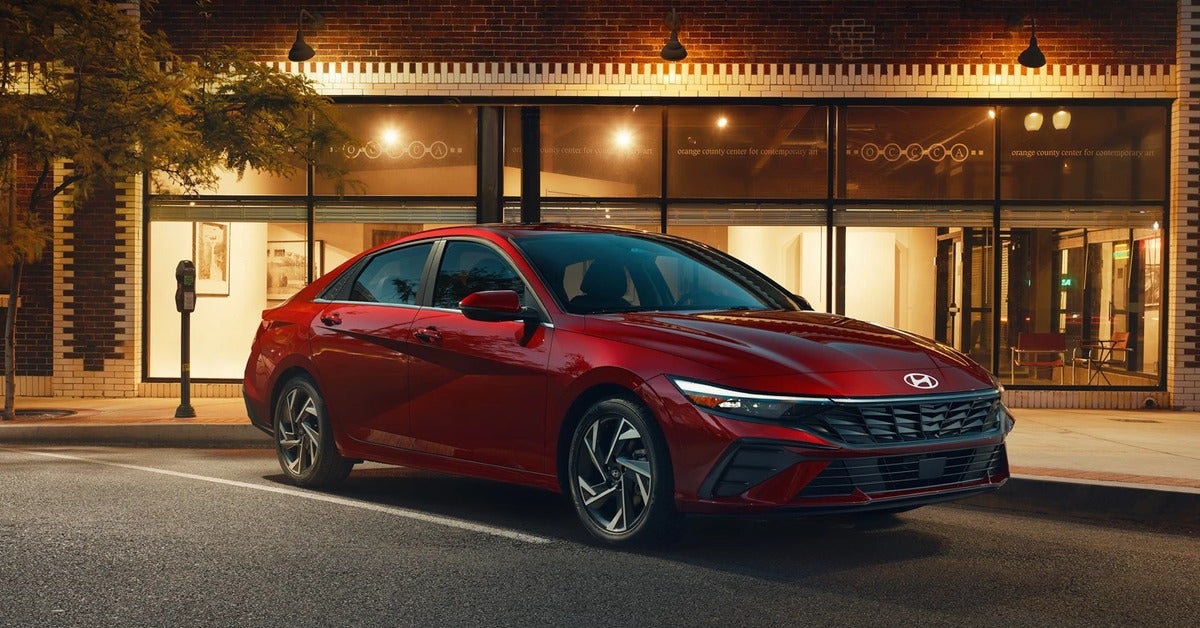
Elantra

Is the Hyundai Elantra a Good First Car? A Guide for New Drivers and Parents

Handing over the keys for the first time is a big moment for any family. You want a car that helps a new driver avoid trouble, won't drain a starter budget, and won't surprise you with big repair bills. So, is the Hyundai Elantra a good first car? For most new drivers, the answer is yes. At Korum Hyundai, we help a lot of families shop for that first set of wheels, and the Elantra comes up again and again. Here's why, plus a checklist to help you choose the right one. What Makes a Good First Car? Before you compare models, it helps to know what you're looking for. Most driving instructors, insurers, and parents agree on a few basics: Strong crash-test results and modern driver-assist features Low fuel and upkeep costs that fit a first paycheck Solid warranty coverage for peace of mind A manageable size that's easy to park and see out of Moderate power that's enough to merge, but not too much The Elantra checks each of these boxes. It's a compact sedan, so it's easy to maneuver in tight lots and on busy streets. Its standard 2.0-liter four-cylinder makes 147 horsepower, plenty for highway on-ramps without tempting a new driver to push too hard. If you're open to a pre-owned option, browse our used Hyundai Elantra inventory to compare years and trims. Safety Tech That Backs Up a New Driver New drivers are still learning to scan the road, judge gaps, and stay focused. Hyundai SmartSense adds an extra set of eyes, and the core features come standard on the Elantra's base SE trim: Forward Collision-Avoidance Assist with Pedestrian Detection, which can apply the brakes automatically Lane Keeping Assist and Lane Following Assist to help keep the car centered Blind-Spot Collision Warning for safer lane changes Rear Cross-Traffic Collision-Avoidance Assist for backing out of parking spots Driver Attention Warning, which alerts drivers who seem drowsy or distracted Safe Exit Assist, which can warn passengers about traffic before they open a door The crash-test results back this up. The Insurance Institute for Highway Safety (IIHS) rates the Elantra "Good," its top score, in the small overlap front and updated side tests. The latest Elantras also earn "Good" in the updated moderate overlap front test. Its headlights and pedestrian front crash prevention are rated "Good" across all trims, too. These features help, but they don't replace good habits. Sit down with your new driver and walk through each alert so they know what the beeps and dash lights mean before they drive solo. Lower Costs at the Pump and in the Shop A first car has to fit a first-car budget. The Elantra helps here in two big ways. Fuel Economy The gas Elantra SE is EPA-rated at 31 mpg city, 40 mpg highway, and 35 mpg combined. If your new driver racks up miles commuting to school or a job, the Elantra Hybrid Blue stretches things further, with an EPA rating of 51 city, 58 highway, and 54 combined mpg. Warranty Coverage Hyundai backs every new Elantra with a 5-year/60,000-mile New Vehicle Limited Warranty and a 10-year/100,000-mile Powertrain Limited Warranty for the original owner. You also get 24-hour Roadside Assistance, a helpful safety net for a driver who's never dealt with a dead battery or flat tire alone. Routine care keeps those costs low. Our Hyundai service center can set up a maintenance schedule so oil changes and tire rotations never get skipped. New, Hybrid, or Used: Choosing the Right Elantra The Elantra lineup gives you room to match the car to the driver and the budget: SE: The core SmartSense features, an 8-inch touchscreen, LED projector headlights, and wireless Apple CarPlay and Android Auto SEL Sport trims: Sportier styling, with available heated front seats, a sunroof, and Smart Cruise Control with Stop & Go on the SEL Sport Premium Limited: Bose premium audio and Highway Driving Assist for longer trips Elantra Hybrid: The best pick if fuel savings are the top priority We'd steer most first-time drivers away from the turbocharged N Line. Its extra power is fun, but it's more than a new driver needs, and it can mean higher insurance quotes. A recent pre-owned Elantra can also be a smart first step, since many still include modern safety tech. For recent graduates buying new, the Hyundai College Grad Program may help with a first purchase. A First-Car Checklist for Parents and New Drivers Ready to start shopping? Work through these steps together: Set a total monthly budget that includes the payment, insurance, fuel, and maintenance Get an insurance quote for the exact trim before you commit Test drive on roads the new driver will actually use, including the highway, at night, and in the rain if you can Practice parking and backing up using the rear camera and cross-traffic alerts Set up the phone connection so music and maps run through the screen, not a hand Wet roads and early sunsets are part of driving around Tacoma, Auburn, and Bonney Lake for much of the year, so a rainy-day test drive is worth it. When you're ready to talk numbers, our Hyundai financing options can help you find a payment that fits. Frequently Asked Questions Is the Hyundai Elantra a good first car for a teenager? Yes. The Elantra combines standard driver-assist features, "Good" IIHS crash-test ratings, and a manageable 147-horsepower engine. Its compact size also makes it easier for a new driver to park and maneuver. Is the Hyundai Elantra safe? The IIHS rates the Elantra "Good" in the small overlap front and updated side crash tests, and the latest models also earn "Good" in the updated moderate overlap front test. Standard Hyundai SmartSense features include Forward Collision-Avoidance Assist with Pedestrian Detection, Lane Keeping Assist, and Blind-Spot Collision Warning. What gas mileage does the Hyundai Elantra get? The gas Elantra SE is EPA-rated at 31 city, 40 highway, and 35 combined mpg. The Elantra Hybrid Blue is EPA-rated at 51 city, 58 highway, and 54 combined mpg. What warranty comes with a new Hyundai Elantra? A new Elantra includes a 5-year/60,000-mile New Vehicle Limited Warranty and a 10-year/100,000-mile Powertrain Limited Warranty for the original owner. It also comes with 24-hour Roadside Assistance. Can I test drive a Hyundai Elantra at Korum Hyundai? Yes. Stop by Korum Hyundai at 111 River Road, Puyallup, WA 98371, or call 253-354-8334 to schedule a time. We're happy to ride along with a new driver and walk through the safety features. Find Your First Hyundai Elantra in Puyallup Between its standard safety tech, strong fuel economy, and long warranty coverage, the Hyundai Elantra is a good first car for drivers who want confidence without the big costs. Whether you're shopping for yourself or for a new driver in your family, our team will help you compare trims and find the right fit. Explore our new Hyundai inventory or call us at 253-354-8334 to set up a test drive.