For many South Puget Sound shoppers, EV tax eligibility is no longer as simple as choosing a qualifying vehicle and claiming a credit at tax time. Federal rules changed significantly after September 30, 2025. If you are shopping for an EV in 2026, the vehicle may still make excellent sense for your driving habits, charging access, and fuel savings, but a federal purchase credit is generally no longer part of the equation.
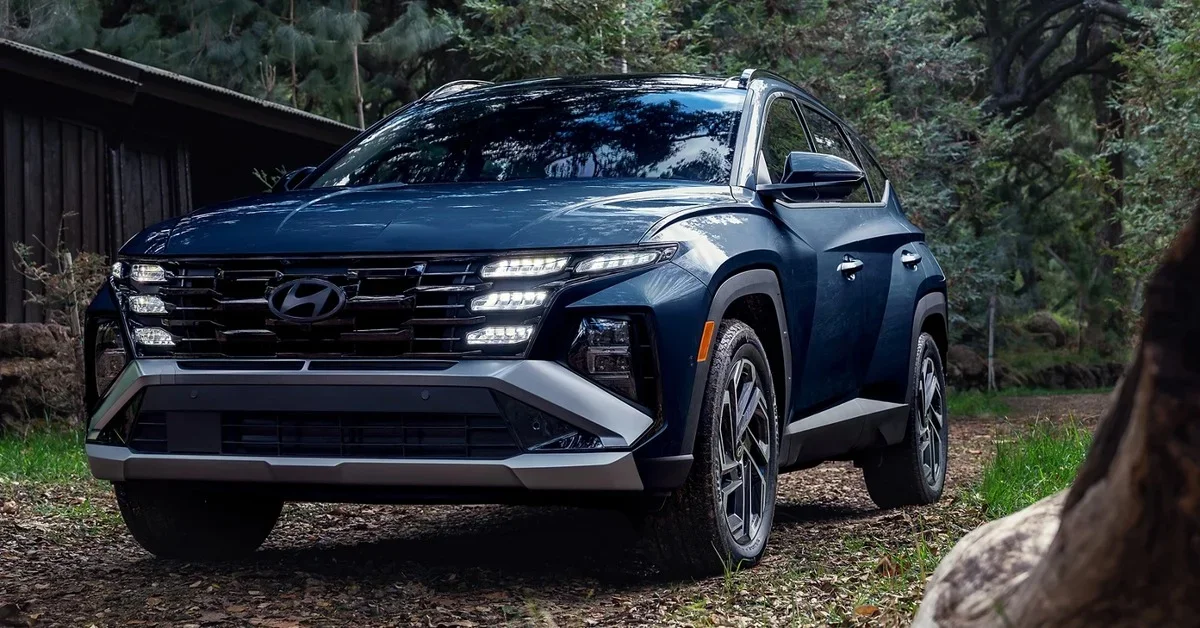
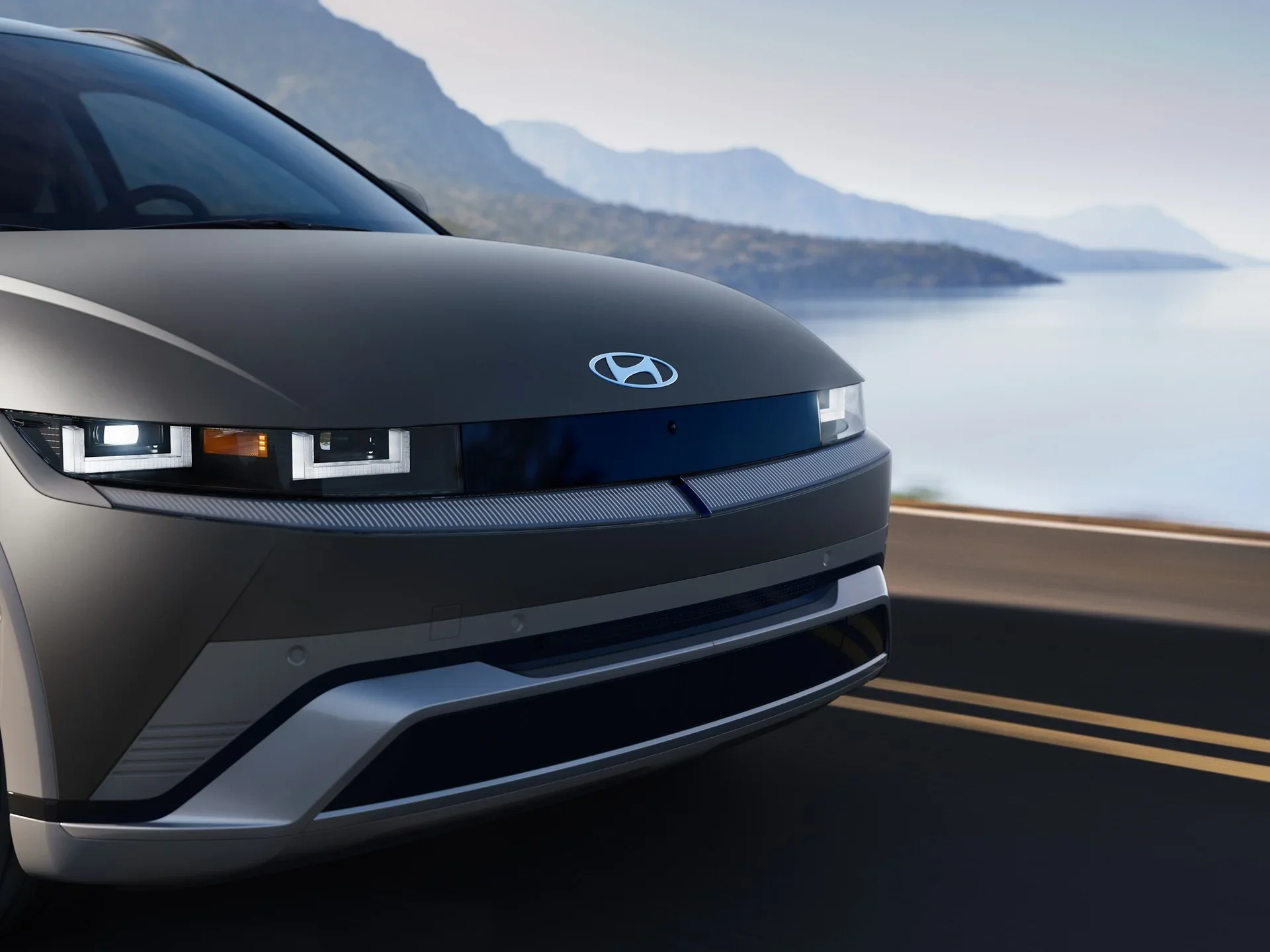
That distinction matters when comparing an IONIQ 5, IONIQ 9, Kona Electric, or pre-owned IONIQ 6 with a hybrid or gas-powered Hyundai. A clear answer upfront helps you make a decision based on the ownership experience rather than an incentive that may not be available.
What EV Tax Eligibility Means in 2026
The federal Clean Vehicle Credit for new EV purchases and the Previously Owned Clean Vehicle Credit for eligible used EV purchases generally ended for vehicles acquired after September 30, 2025. That means most shoppers taking delivery of a vehicle in 2026 should not expect to claim a federal EV purchase tax credit, even if the same model would have met vehicle-assembly, battery, income, or price requirements under the former program.
This is a purchase-date issue, not simply a model-year issue. A 2025 EV purchased and placed in service before the deadline may have been eligible under the prior rules. A 2025 vehicle acquired in 2026 generally is not eligible simply because it was built before the credit ended.
There can be narrow transition situations for a buyer who had a qualifying written binding contract before the deadline and takes delivery later. Those cases depend on the contract terms, the date it became binding, and other tax details. Keep every signed document and speak with a qualified tax professional before claiming a credit.
If You Bought an EV Before the Deadline
Buyers who acquired an eligible EV on or before September 30, 2025, may still be able to claim the applicable credit on the tax return for the year of purchase. The end of the program does not erase a credit that was properly earned before the cutoff.
Under the former new-vehicle rules, eligibility depended on more than the vehicle itself. The buyer’s modified adjusted gross income, filing status, vehicle price threshold, final assembly, battery sourcing requirements, and delivery date could all affect the result. The credit was also nonrefundable, meaning it could reduce federal income tax owed but did not necessarily create a larger refund than a buyer’s tax liability.
For used EV purchases under the former rules, there were separate requirements for the vehicle’s age, sale price, dealership sale, buyer income, and whether the buyer had claimed the used-EV credit recently. A private-party sale did not qualify for that federal used-vehicle credit.
If your 2025 purchase involved a point-of-sale credit transfer, review the paperwork carefully. The dealer’s submitted report and your own tax filing both matter. A tax preparer can help confirm that the information on your return matches the vehicle and delivery records.
EV Tax Eligibility and Leasing Are Different
A lease has always been different from a purchase for federal tax purposes. The leasing company owns the vehicle, so it is generally the party that may have been able to use a business-related clean vehicle incentive under prior law, rather than the person driving the leased EV.
That did not mean every lease automatically came with a lower payment, and it does not mean a 2026 lease carries a federal tax credit for the customer. Lease offers depend on the manufacturer, lender, vehicle availability, residual value, term, mileage allowance, and current incentives. Those offers can change quickly.
The practical takeaway is simple: evaluate a lease on its full terms. Look at the amount due at signing, monthly payment, mileage allowance, wear provisions, and end-of-lease choices. If an offer references an incentive, ask how it is being applied and whether it is reflected in the written lease agreement.
Washington Incentives: Check What Is Active Now
Washington's state sales and use tax exemption for qualifying clean alternative-fuel vehicles expired on July 31, 2025, so EV purchases made in 2026 generally do not qualify for it. Leases that qualified by that date can keep the exemption on payments due through July 31, 2028.
Washington drivers may also see programs from utilities, local agencies, employers, or charging providers. These are separate from federal income-tax credits and often have their own deadlines, funding limits, residency rules, income qualifications, or equipment requirements.
Some programs help with home charging equipment, while others may offer charging rates or limited rebates. Availability can vary between communities and utility territories, so a program available near Puyallup may not be identical to one available elsewhere in Pierce County.
Because these programs can open, close, or change without much notice, treat them as a possible benefit rather than a guaranteed part of your purchase budget. Confirm the current requirements directly with the organization administering the program before you buy equipment or sign paperwork.
Choose an EV Based on Your Real Driving Needs
Without a federal purchase credit for most 2026 transactions, the best EV choice comes down to how it fits your household. Start with where you drive, where you can charge, and how often your vehicle carries family, gear, or passengers.
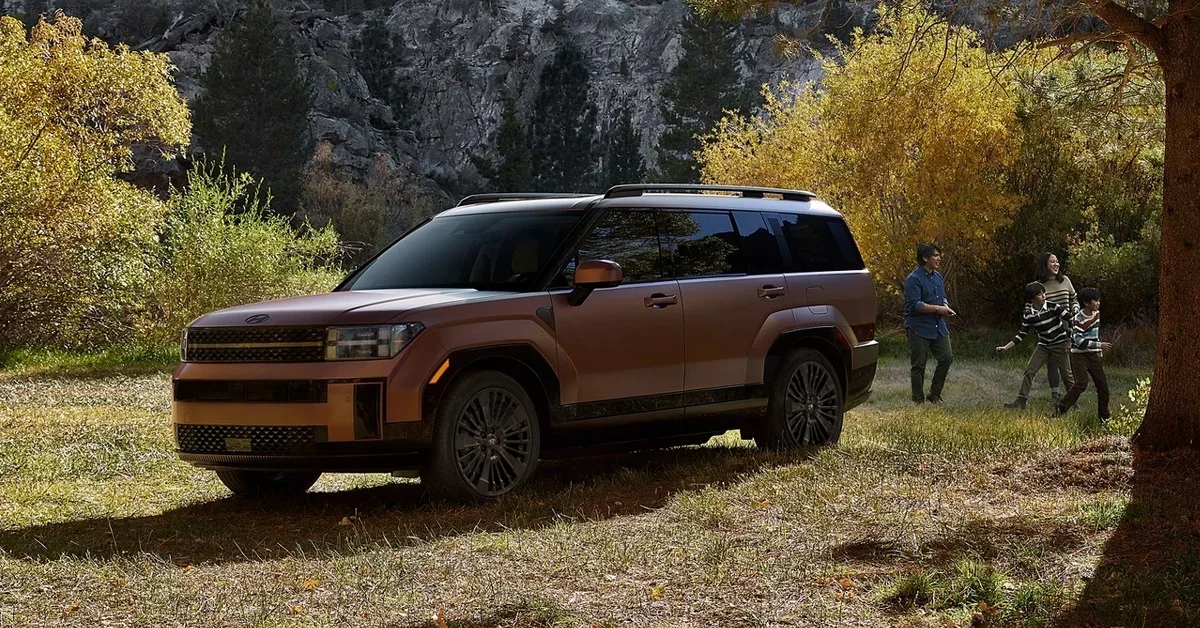
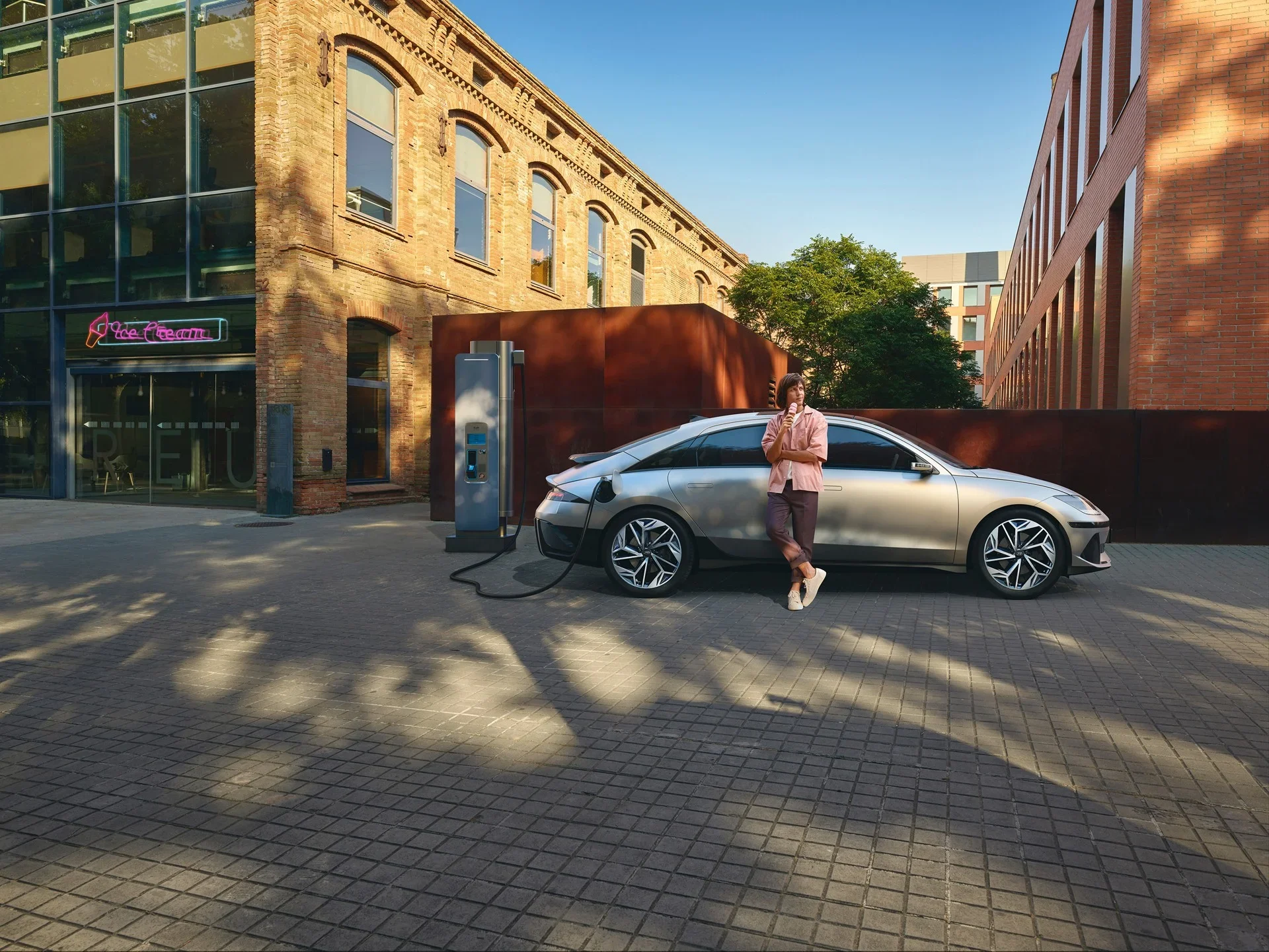
An IONIQ 5 can be a strong fit for drivers who want flexible SUV space and an easygoing daily driver. A pre-owned IONIQ 6 favors an efficient sedan shape and longer road-trip-minded range, since Hyundai no longer sells the standard IONIQ 6 new in the U.S. For growing families, the three-row IONIQ 9 may be worth considering when passenger room is the priority. The Kona Electric can appeal to shoppers who want a more compact footprint for commuting, errands, and parking.
Home charging is often the biggest convenience factor. If you have reliable overnight access to a compatible outlet or installed charging equipment, daily driving can feel remarkably routine. If you rent, live in a multifamily building, or rely primarily on public charging, take time to map charging locations around work, school, and regular routes before deciding.
A hybrid may be the better fit for some households. Hyundai hybrid models can reduce fuel stops without requiring a charging routine, which is useful for buyers who make frequent longer trips, cannot charge at home, or simply prefer a familiar refueling experience. There is no one right answer between EV, hybrid, and gas. It depends on your daily life.
Questions to Ask Before You Sign
A helpful dealership conversation should cover more than the vehicle’s range. Ask whether the vehicle is new or previously owned, its exact delivery date, and whether any advertised incentive is a manufacturer offer, a lease incentive, a utility program, or a tax-related item. Those terms are not interchangeable.
If you purchased before the 2025 deadline, ask for copies of the buyer’s order, purchase agreement, delivery documentation, VIN, and any point-of-sale credit records. If you are purchasing in 2026, ask for a clear explanation of the current transaction without assuming a federal EV credit will be available.
Financing also deserves a close look. The right term and payment structure depend on your trade-in, down payment, expected ownership period, and overall budget. A vehicle that feels right on a test drive should also fit comfortably into the rest of your financial plans.
Find the Right Electrified Hyundai for Your Household
Tax rules should be accurate, but they should not be the only reason to choose an electrified vehicle. The better question is whether an EV or hybrid will make your week easier: fewer fuel stops, convenient home charging, enough room for the family, and confidence for trips beyond your normal commute.
At Korum Hyundai, our team can help you compare electrified Hyundai options, discuss charging and ownership questions, and explain the current purchase or lease details with no pressure. Browse available new and used inventory, schedule a test drive, or start a financing application when you are ready to see which Hyundai fits your life.
Frequently Asked Questions
Do I pay Washington sales tax on a new EV now?
In most cases, yes. Washington's sales and use tax exemption for clean alternative fuel vehicles has expired, so a new or used EV purchase is generally taxed like any other vehicle at the rate where you register it. Leases that qualified before the cutoff are the main exception. Ask the Korum Hyundai team to show the tax line on your buyer's order.
Are there extra yearly fees for owning an EV in Washington?
Yes. The Washington Department of Licensing charges additional electric vehicle fees when you register an EV and renew its tabs, on top of the standard fees. The DOL tab fee calculator shows the current amounts for your vehicle and address. Fees can differ by vehicle type, so check the calculator for the exact model you are considering before you budget.
Can a tax professional help with an EV bought before the federal deadline?
Yes, and it is a good idea. If you acquired an eligible EV on or before the federal cutoff, a tax professional can confirm whether a credit applies, how a point of sale transfer was reported and what forms belong on your return. Bring your purchase agreement, delivery paperwork and any dealer credit report so the details match the vehicle records.
Should I lease or buy a Hyundai EV in Pierce County now?
It depends on how long you keep vehicles and how many miles you drive. Leasing suits drivers who want lower commitment and expect EV technology to keep improving. Buying suits drivers who keep vehicles for years and drive more than a typical lease allows. Compare both on the same IONIQ or Kona Electric with the Korum Hyundai finance team.