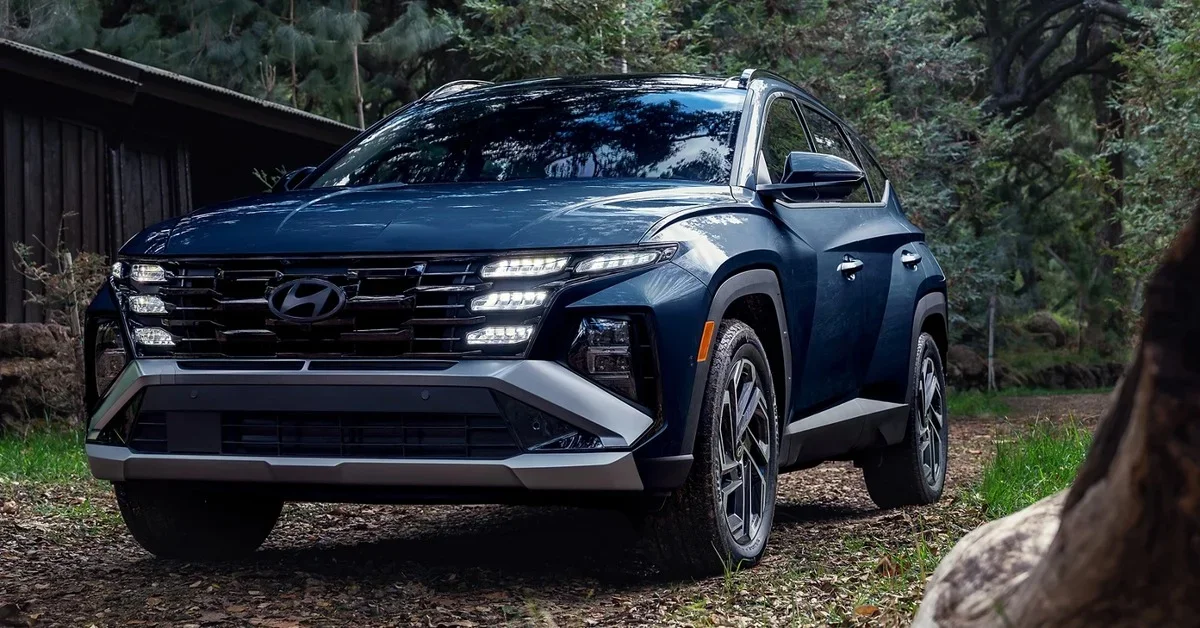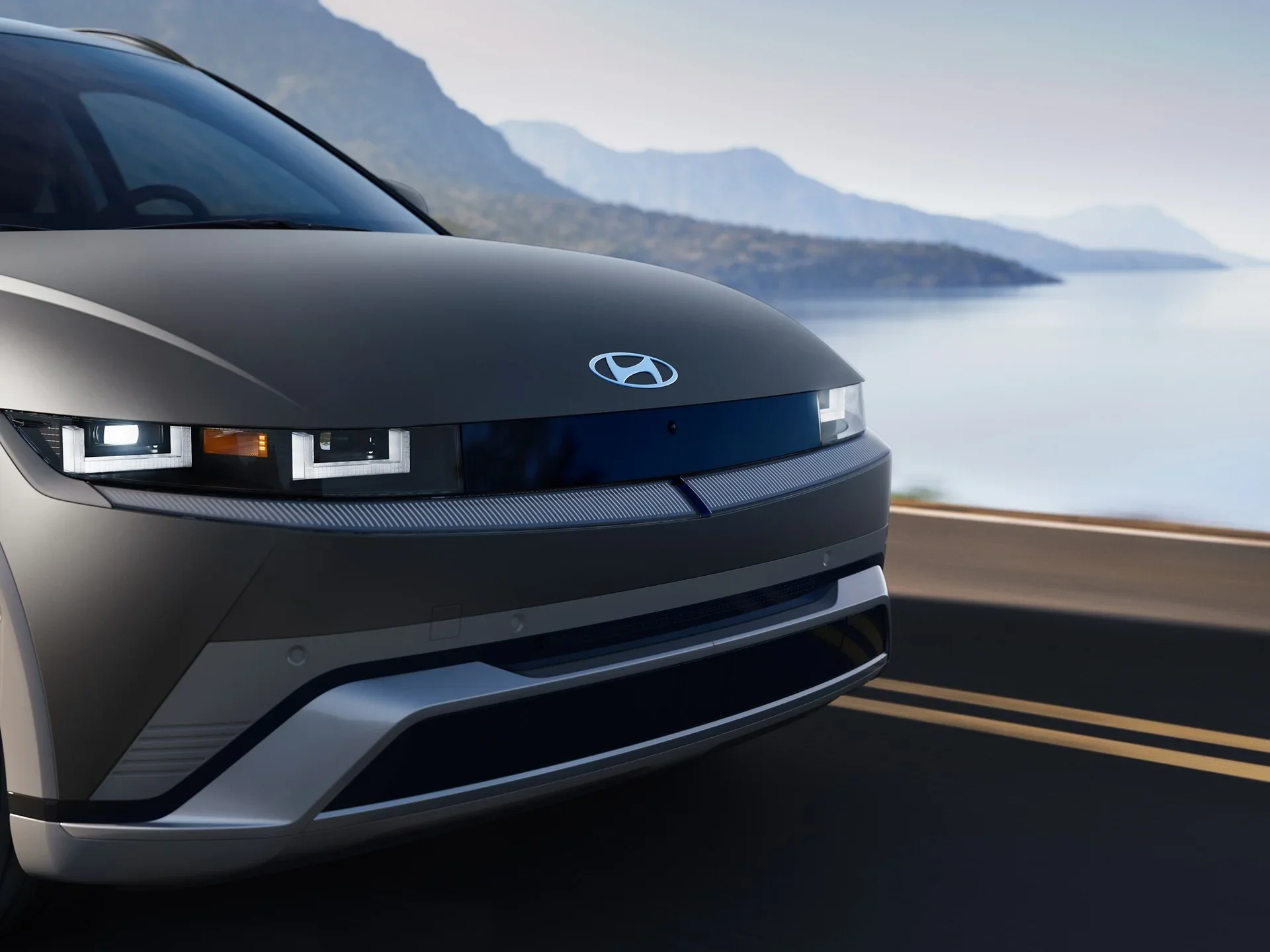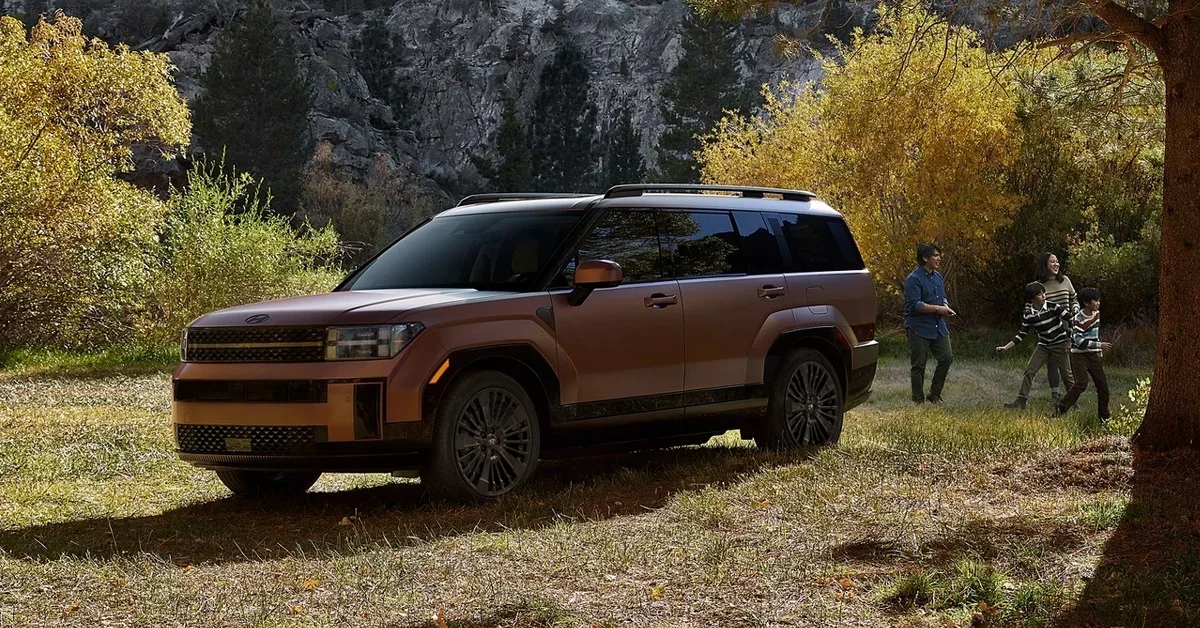
A low monthly payment can feel like a win until you see how much interest is built into the full loan. That is why car loan APR deserves as much attention as the vehicle, trade-in, and term length. Whether you are considering a Tucson Hybrid for the commute, a Santa Fe for a growing family, or an IONIQ 5 for an all-electric future, understanding APR helps you compare financing offers with confidence.
At Korum Hyundai, we believe the financing conversation should be clear, comfortable, and centered on what works for your household, not just what gets a deal done quickly.
What Is Car Loan APR?
APR stands for annual percentage rate. It represents the annual cost of borrowing money, expressed as a percentage. On an auto loan, APR includes the interest rate and may account for certain lender fees, which makes it more useful for comparing loan offers than the interest rate alone.
For example, two lenders may quote similar monthly payments, but the loan with the lower APR can cost less over time if all other terms are equal. APR is calculated annually, while interest generally accrues as you make payments throughout the loan.
A car loan is usually an amortized loan. Early payments often put more toward interest, while later payments put more toward the principal balance. That is one reason paying extra toward principal, when your loan allows it and your budget supports it, may reduce total interest paid.
Why Your APR Matters More Than a Monthly Payment
It is natural to begin with the monthly payment. It needs to fit alongside housing, groceries, insurance, and the rest of life in Pierce County. But a payment by itself does not tell the whole financing story.
A longer term can lower the monthly payment because the balance is spread over more months. The trade-off is that you may pay interest for longer and, depending on the lender and loan structure, more interest overall. A shorter term generally raises the payment but may reduce total borrowing costs.
The best choice depends on your cash flow, how long you expect to keep the vehicle, and how much flexibility you need. A family moving up to a Palisade may prioritize room in the monthly budget. A shopper who plans to keep a Kona Electric for many years may decide a shorter term makes sense. There is no single right answer, but you should be able to see the trade-off before signing.
What Affects Your Car Loan APR?
Lenders look at several pieces of your financial picture when determining an APR. Your credit history is a major factor, but it is not the only one. Income, existing debt, loan term, down payment, vehicle age, and whether you are financing a new or used vehicle can all matter.
New vehicles may qualify for different lender programs than used vehicles, and certified pre-owned options can land somewhere in between. That does not mean new is automatically the better financing choice. A used vehicle with a lower amount financed or a larger down payment can still be the better fit for your goals.
Your credit score is based on information in your credit reports, including payment history, credit utilization, account age, and recent applications. If your score is not where you want it to be, do not assume financing is out of reach. A knowledgeable finance team can help explain available paths without pressure.
Special programs may also be available for qualifying military members, first responders, recent college graduates, and mobility-program buyers. Eligibility and current offers can change, so it is worth asking about programs that may apply to your situation.
How Down Payments and Trade-Ins Can Change the Loan
A down payment reduces the amount you need to finance. The same is true when you have positive trade equity, meaning your trade-in value is higher than the amount you still owe on it. Financing less can lower your payment and may help you qualify for a more favorable APR.
That said, putting every available dollar down is not always wise. You may want to keep an emergency cushion for unexpected home repairs, medical expenses, or Washington weather-related surprises. The goal is a purchase plan that feels sustainable after you drive home.
If you owe more on your current vehicle than it is worth, that is called negative equity. It can be rolled into a new loan in some cases, but doing so increases the amount financed. Ask for a clear explanation of how any remaining balance affects your loan, payment, and total cost.
Comparing Car Loan APR Offers the Right Way
When comparing lenders, make sure you are looking at the same kind of loan. An APR quote means little on its own if one offer is for 48 months and another is for 72 months, or if the down payments are different.
Ask to compare the APR, loan term, amount financed, estimated monthly payment, and total of payments. Also ask whether there is a prepayment penalty. Many auto loans allow early payoff without one, but it is always smart to verify.
Preapproval from a bank or credit union can give you a useful benchmark before visiting a dealership. Dealership financing can also provide access to multiple lending sources and manufacturer-supported programs that may fit certain new Hyundai models. The point is not to pick a winner before reviewing the details. It is to compare real offers on equal footing.
APR for New, Used, Hybrid, and EV Vehicles
The vehicle you choose can affect your financing options. New Hyundai vehicles may be eligible for current manufacturer finance programs, while used vehicles are generally financed through traditional bank, credit union, or dealer-arranged lending options. Vehicle age and mileage can influence available terms for used inventory.
Hybrid and electric vehicles bring another layer to the decision. A Tucson Hybrid, Santa Fe Hybrid, or Kona Electric may have a different purchase profile than a gas-only model, but financing should still be evaluated through the same lens: APR, loan term, payment, and total cost. Fuel savings, home charging access, insurance, and your daily driving pattern also belong in the larger conversation.
For EV-curious drivers, an IONIQ 5, IONIQ 9, or pre-owned IONIQ 6 may be especially appealing if most charging happens at home or work. If you rely heavily on public charging or take frequent long road trips, take time to consider charging routines alongside the loan. A great APR does not make a vehicle the right fit if it does not suit how you actually drive.
Ways to Prepare Before You Apply
A little preparation can make the finance process more straightforward. Review your credit reports for errors, gather proof of income and residence if needed, and know the approximate payoff amount on your current vehicle. If you are trading in a vehicle, bring all keys, registration information, and any relevant payoff details.
It also helps to decide what matters most before reviewing offers. Is your priority the lowest payment, the shortest payoff timeline, building equity faster, or preserving more cash for other goals? Share that priority early. A transparent financing conversation starts with the real need behind the number.
Avoid opening several new credit accounts right before applying for an auto loan if you can. A focused rate-shopping period is generally different from repeatedly applying for unrelated credit, but your finance professional can help you understand the process and what documentation may be needed.
Questions Worth Asking Before You Sign
You do not need to be a financing expert to ask good questions. Ask what APR you qualify for, whether it changes based on term length, how much interest you would pay over the full loan, and whether the payment includes optional products. If you are considering protection products, ask what each one covers, what it costs, and whether it is optional.
Take the time you need to read the contract. A vehicle purchase is a meaningful commitment, and clear answers are part of a respectful buying experience.
When you are ready to explore new or used Hyundai options, bring your questions and your goals. The Korum Hyundai team can help you compare financing paths, review available programs, and find a vehicle that feels right for the road ahead, from Puyallup errands to weekend trips around South Puget Sound.
Frequently Asked Questions
Does shopping for auto loan rates hurt my credit score?
Applying with several auto lenders within a short window usually has a limited effect, because credit scoring models generally treat those inquiries as a single search. Opening unrelated credit accounts at the same time can have a bigger impact. Keep your rate shopping focused, then compare the offers side by side with the Korum Hyundai finance team.
Can I apply for Hyundai financing online before visiting Puyallup?
Yes. Korum Hyundai has an online finance application, so you can start the process before you come in and review real numbers once you arrive. Having your income details, current loan payoff and trade-in information ready makes the conversation faster. Applying online does not commit you to a vehicle or a specific offer.
Is sales tax part of a car loan in Washington?
It can be. Many buyers include sales tax, registration and fees in the amount financed rather than paying them up front, which raises the loan balance and total interest. Paying those costs in cash lowers what you borrow. Ask to see the amount financed with and without taxes and fees so you can choose the setup that fits your budget.
Are Hyundai special APR offers available on every model?
No. Hyundai Motor Finance offers change month to month and usually apply to specific new models, terms and credit tiers. A promotional rate may also compete with a cash incentive, so compare both paths. Check the current specials at Korum Hyundai, then confirm which offers apply to the exact vehicle and term you are considering.