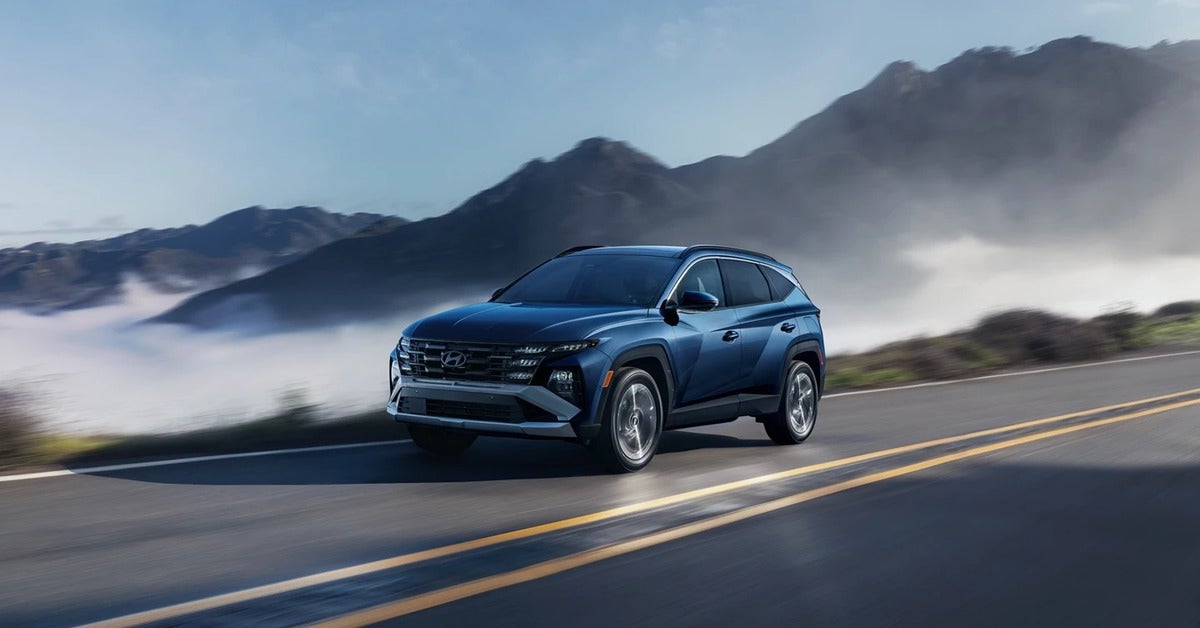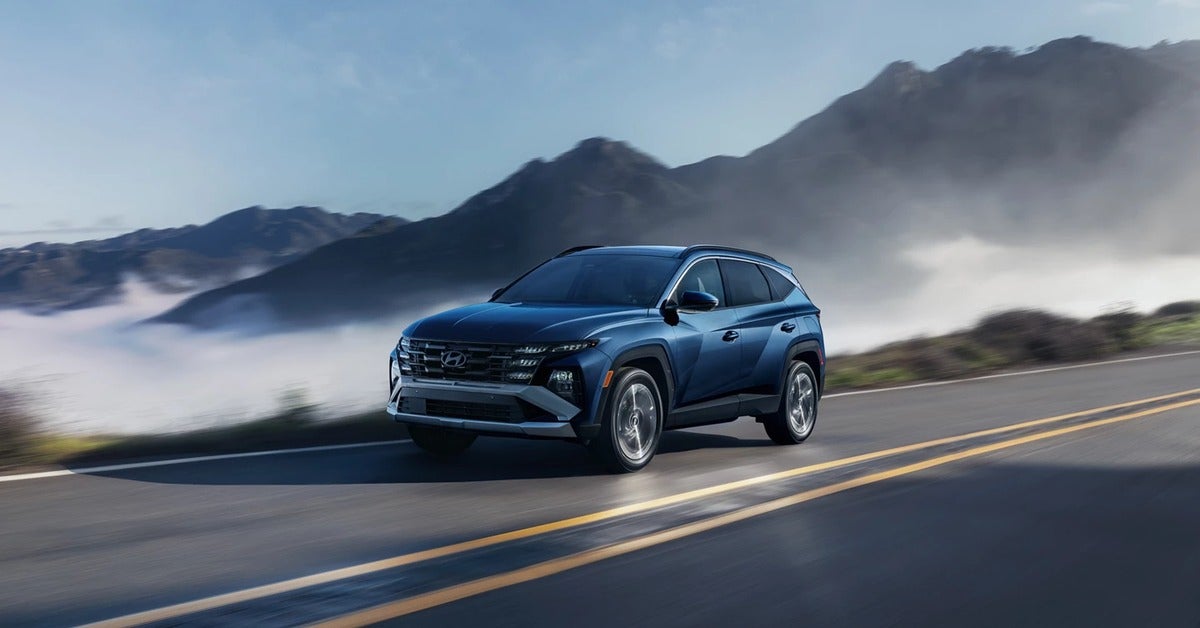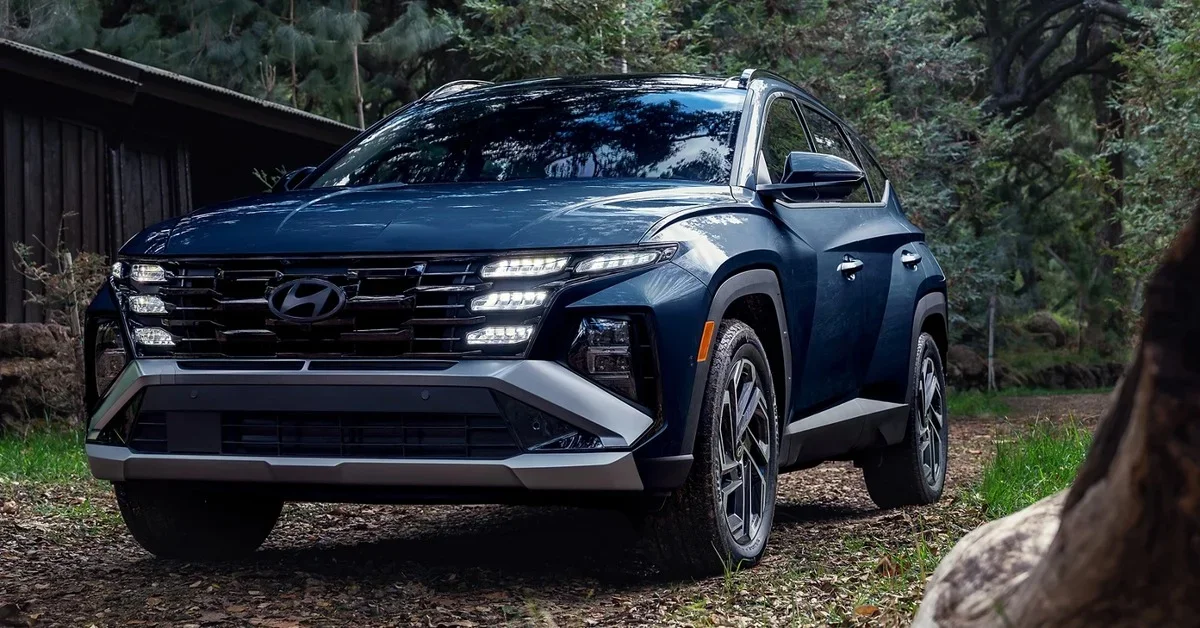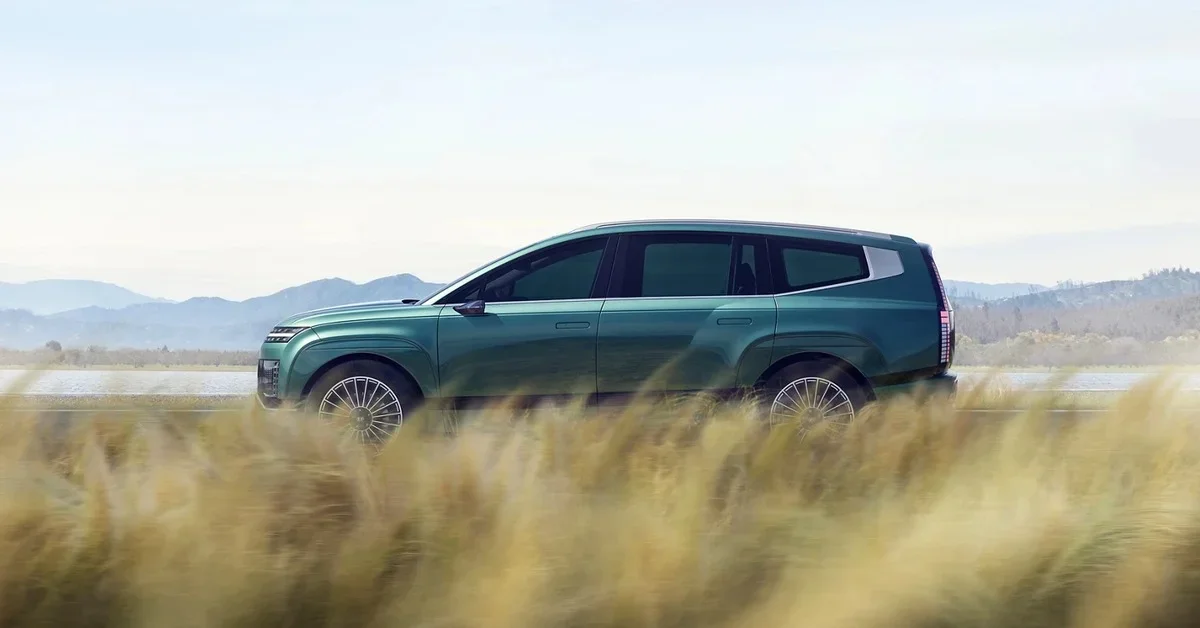
A three-row EV has to do more than look good in the school pickup line. It needs room for car seats and weekend bags, enough range for trips beyond Pierce County, and charging that does not turn a family outing into a complicated plan. In an IONIQ 9 versus EV9 comparison, shoppers are looking at two closely related electric SUVs that share much of their underlying technology but take noticeably different approaches to comfort, capability, and design.
Both are compelling choices for families moving up from a Tucson, Santa Fe, or Palisade, as well as drivers who want to leave the gas pump behind without giving up real passenger space. The better fit comes down to how you use the third row, what kind of ride you prefer, and whether your EV will also pull weekend duty with a trailer.
IONIQ 9 versus EV9 at a glance
The Hyundai IONIQ 9 and Kia EV9 are large, purpose-built electric SUVs based on the same 800-volt EV architecture. That shared foundation brings fast DC charging capability, a low-mounted battery for stable handling, and packaging that creates more interior space than many traditional three-row SUVs.
The IONIQ 9 is the newer arrival and leans toward a calmer, more premium family experience. Its clean, aerodynamic shape helps it prioritize efficiency and highway range. The EV9 has a more upright, boxier profile and a more rugged visual personality. It can feel like the more natural choice for a driver who wants an electric SUV that still looks ready for a camping trip, boat ramp, or rainy weekend in the Cascades.
Neither approach is automatically better. A family that spends most of its time commuting between Puyallup, Tacoma, and Sumner may value the IONIQ 9's extra range and relaxed ride. A household that frequently fills every seat, carries bulky gear, or tows may be drawn to the EV9's squared-off proportions and established reputation for utility.
Range and charging: where the IONIQ 9 has an edge
Range is usually the first question from EV-curious shoppers, especially for people who take regular trips to the coast, Eastern Washington, or Oregon. The IONIQ 9 uses a 110.3-kWh battery, and certain rear-wheel-drive configurations are estimated for up to 335 miles of range. All-wheel-drive versions generally trade some range for added traction and performance.
The EV9 offers more than one battery setup. Its larger 99.8-kWh battery can provide an EPA-estimated range of roughly 300 miles in select rear-wheel-drive configurations, while all-wheel-drive trims vary based on wheel size, powertrain, and equipment. The EV9's standard-range battery is better suited to drivers with predictable local travel and regular home charging.
Real-world range always changes with speed, temperature, elevation, passenger load, and towing. A winter trip over a mountain pass will not produce the same result as a mild-weather commute on relatively flat roads. That is why it helps to think about your normal week, not just the highest EPA number.
Both SUVs support high-speed DC charging through their 800-volt electrical systems. Under favorable conditions at a compatible fast charger, each can add a substantial amount of charge in roughly 20 to 25 minutes. That makes a meal or coffee stop more practical on longer drives. Home charging remains the easiest daily routine for most owners: plug in at night, wake up with the battery ready for the day.
Charging-port standards and public-network access are changing quickly, so ask about the current equipment, adapters, and charging options for the specific model year and trim you are considering. The best charging experience is partly about the vehicle and partly about having a plan that fits your routes.
Interior room: comfort versus a more traditional utility feel
The IONIQ 9 is slightly longer than the EV9, measuring about 199 inches from bumper to bumper compared with roughly 197 inches for the Kia. Both have long wheelbases of roughly 122 inches or more, which helps create generous legroom across all three rows.
Hyundai designed the IONIQ 9 cabin around a lounge-like feel. Available six-passenger layouts with second-row captain's chairs make it easier to reach the third row, while seven-passenger arrangements prioritize maximum seating. The lower floor enabled by the EV platform gives the interior an open feel, and the IONIQ 9's quieter, smoother character may matter on longer family trips.
The EV9 is also available with six- or seven-passenger seating, depending on trim. Its more upright roofline and squared-off rear can be especially appealing when cargo space matters. If you regularly pack sports equipment, strollers, folding chairs, and grocery bags, bring those items or realistic stand-ins to a test drive. Cargo measurements are useful, but loading a bulky item tells a more honest story.
Third-row comfort deserves a close look in either SUV. Both are more accommodating than many midsize three-row crossovers, but adults will still have different expectations than kids. Have the people who will actually sit back there try it. Check knee room, headroom, ease of entry, and whether the third row remains useful once the second row is adjusted for the driver.
Performance, all-wheel drive, and towing
Both models offer rear-wheel-drive and all-wheel-drive choices. Rear-wheel drive is the range-minded option, while all-wheel drive adds confidence for wet pavement, snowy trips, and the steep or gravelly roads some South Puget Sound families encounter outside their daily commute.
Available dual-motor versions of both SUVs deliver quick, quiet acceleration that can make merging onto Highway 167 or passing on a two-lane road feel effortless. The EV9 also offers a high-performance GT variant for drivers who want considerably stronger acceleration, though that extra output is not necessary for most family transportation.
When properly equipped, the IONIQ 9 and EV9 can each tow up to 5,000 pounds. That is enough capacity for many small boats, utility trailers, or lightweight campers. Still, towing is one area where the details matter. Trailer weight, tongue weight, equipment, and local conditions all affect capability. More significantly for EV ownership, towing reduces driving range, sometimes substantially.
If a trailer is part of your regular routine, ask for guidance based on its actual loaded weight and your expected travel distance. For occasional short-distance towing, either SUV may be a strong fit. For frequent long-distance towing, plan charging stops carefully and consider whether a traditional truck or hybrid vehicle better suits that specific job.
Technology and everyday ownership
These SUVs provide the kind of driver-assistance and convenience technology many families expect, including available highway driving assistance, surround-view cameras, smartphone integration, and multiple USB charging points. Exact features vary by trim, so avoid comparing only the model names. Compare the actual vehicles equipped the way you would buy them.
The IONIQ 9 puts more emphasis on refined interior presentation and efficiency-minded design. The EV9 stands out with its bolder styling and a trim lineup that gives shoppers more ways to prioritize rugged looks, added power, or family-oriented features. Hyundai shoppers who appreciate the clean design of the IONIQ 5 but need a true third row may find the IONIQ 9 especially familiar in spirit.
Maintenance is simpler than on a gas SUV because there are no oil changes, spark plugs, or conventional transmission service intervals. Tires, brakes, cabin filters, wipers, and inspections still matter. Regenerative braking can reduce brake wear, but tire wear can increase if you frequently use the instant torque that makes EVs so enjoyable. Factory-trained EV service support is worth considering as part of the ownership experience, not as an afterthought.
Which electric three-row SUV should you choose?
Choose the IONIQ 9 if your priorities are maximum available driving range, a quiet and polished cabin, and a family-focused design that feels more like a comfortable long-distance travel vehicle. It is particularly appealing for households that want a spacious EV without moving into a more truck-like driving experience.
Choose the EV9 if you prefer a more upright, adventurous design, want a broader range of personality across trims, or place a premium on its traditional SUV proportions. It is still comfortable and highly capable, but its character is a little more outdoorsy.
At Korum Hyundai, we believe the right EV decision starts with your everyday life, not a sales pitch. Bring your family, ask about home charging, and spend time in the second and third rows. When you are ready, schedule a test drive in an IONIQ 9 and see how its space, range, and quiet confidence fit the roads you drive most.
Frequently Asked Questions
Can the IONIQ 9 charge at Tesla Superchargers near Puyallup?
The IONIQ 9 has a built-in NACS charging port, so it can use compatible Tesla Superchargers that are open to Hyundai drivers. Hyundai also includes a CCS adapter for other DC fast chargers, which is how the IONIQ 9 reaches its quickest charging times. Check the station in the Hyundai or charging network app before you rely on it during a trip.
How long does an IONIQ 9 take to charge at home?
Hyundai estimates a little under 10 hours to go from 10 percent to full on a standard 240-volt Level 2 home charger. Most owners plug in overnight and rarely start from that low, so a normal evening top-up is shorter. A licensed electrician can confirm whether your panel supports a Level 2 charger before you buy one.
Is the IONIQ 9 a good choice for winter trips over Snoqualmie Pass?
With available all-wheel drive, good winter tires and a charging plan, it can be. Cold temperatures, climbing and highway speed all reduce range, so leave a bigger buffer than you would in summer. Check WSDOT pass conditions before you go, since traction tire or chain requirements can apply to every vehicle, electric or not.
Does Korum Hyundai service electric SUVs like the IONIQ 9?
Yes. Korum Hyundai in Puyallup services Hyundai EVs, including tire rotations, brake inspections, cabin filters, coolant checks and software updates. An IONIQ 9 skips oil changes, but its weight and instant torque make tire care important. Scheduling online keeps service simple for families in Tacoma, Sumner, Bonney Lake and the rest of Pierce County.