Blog

Santa Fe Versus Highlander Cargo: What Fits?

Santa Fe Versus Highlander Cargo: What Fits?

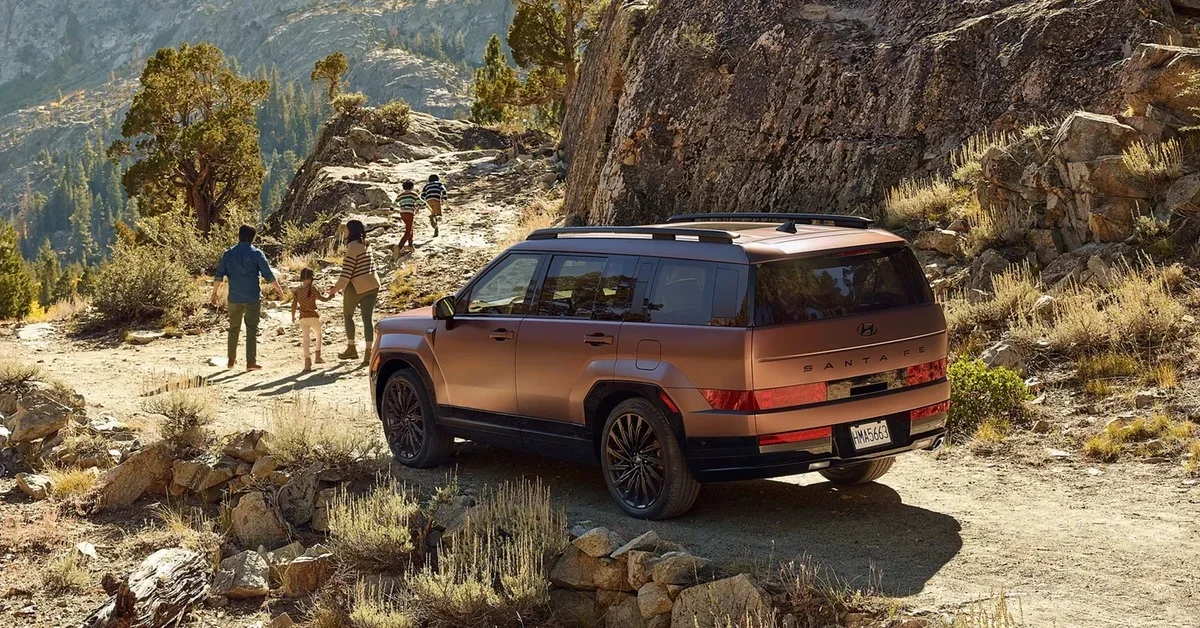
A third-row SUV can look roomy until the stroller, soccer bag, grocery run, and weekend duffels all need a place to go. In the Santa Fe versus Highlander cargo comparison, the Toyota has the larger published cargo figures, but the Hyundai deserves a closer look for families deciding how they will actually use every row.

For South Puget Sound drivers, that difference matters most when the whole family is aboard. A vehicle that handles a weekly Costco stop with two rows in use may not be the same vehicle that handles a Bonney Lake weekend getaway with seven passengers. Cargo capacity is not just a number. It is a daily-use question.

Santa Fe Versus Highlander Cargo Space at a Glance

The current Hyundai Santa Fe provides up to 14.6 cubic feet of cargo space behind its third row, 40.5 cubic feet behind the second row, and 79.6 cubic feet with the rear rows folded. The Toyota Highlander offers up to 16.0 cubic feet behind its third row, 48.4 cubic feet behind the second row, and 84.3 cubic feet behind its first row.

Cargo areaHyundai Santa FeToyota Highlander
Behind third row14.6 cu. ft.16.0 cu. ft.
Behind second row40.5 cu. ft.48.4 cu. ft.
Maximum cargo space79.6 cu. ft.84.3 cu. ft.

On paper, the Highlander leads in every measurement. That is the straightforward answer for shoppers whose priority is the most enclosed cargo room possible. The more useful answer is that both are midsize three-row SUVs with enough flexibility for most family schedules, and the better fit depends on which seats stay occupied most often.

Published measurements can vary slightly by model year, seating configuration, and measurement method, so it is wise to confirm the specifications on the exact vehicle you are considering. A hands-on cargo test with the items you carry most often is even better.

What Fits Behind the Third Row?

With all three rows raised, neither SUV becomes a moving van. The Highlander's 16.0 cubic feet gives it a modest edge over the Santa Fe's 14.6 cubic feet, but the real-world difference is not likely to transform your packing strategy.

Either SUV can handle a few soft-sided bags, a compact stroller, backpacks, or a grocery run behind the third row. The challenge comes with bulky gear. A full-size stroller, a large dog crate, coolers, or multiple hard-shell suitcases may require creative packing, folding part of the third row, or using a roof-mounted solution when appropriate.

This is where a test drive should include more than a loop around town. Bring the stroller or baseball bag if that is what drives your decision. The opening height, cargo floor shape, liftgate clearance, and position of the third-row seatbacks can matter as much as a 1.4-cubic-foot difference on a spec sheet.

The Santa Fe's Practical Advantage: Cabin Flexibility

The Santa Fe's cargo numbers do not tell its entire story. Its redesigned, squared-off shape and wide rear opening create a usable space that may feel easy to load, especially with rectangular items such as bins, folding chairs, or grocery bags. Depending on trim, available features such as hands-free liftgate access can also make loading easier when your hands are full.

For families who use the third row occasionally rather than every day, the Santa Fe can be especially appealing. Fold that third row and 40.5 cubic feet becomes available for school projects, camping gear, a large warehouse-store run, or luggage for a family trip. That is substantial room without stepping up to a full-size SUV.

Where the Highlander Cargo Lead Matters Most

The Highlander's 48.4 cubic feet behind the second row is nearly 8 cubic feet more than the Santa Fe. That becomes meaningful for shoppers who routinely drive with five people and carry a lot of equipment. Think hockey bags, a large stroller plus groceries, camping totes, or luggage for a longer trip.

Its 84.3-cubic-foot maximum capacity also gives the Highlander an advantage for occasional big-haul jobs. If you often fold both rear rows for home improvement supplies, large pet crates, or bulky purchases, the extra volume is useful.

Still, maximum cargo space only helps when you are willing and able to fold the seats. A shopper who almost always has children in the second row may get more day-to-day value from third-row access, second-row comfort, fuel economy, driver-assistance features, or the way the SUV fits in a garage. Cargo capacity should be weighed alongside those realities.

Cargo Layout Matters More Than One Number

Cubic feet describe volume, not necessarily convenience. Two cargo areas with similar measurements can handle the same items differently because of their floor length, wheel-well intrusion, roofline, and liftgate opening.

A low load floor can make it easier to slide in a heavy cooler. A wide opening can make a stroller less frustrating to load. Underfloor storage may help keep small items from rolling around. Split-folding rear seats are valuable when one child is in the third row but you need room for a longer item beside them.

When comparing a Santa Fe and Highlander in person, look at the details that affect your routine. Check whether the third row is easy for your child or parent to reach. Fold and raise the seats yourself. See whether your cargo fits flat, rather than assuming the larger total number wins.

Hybrid Shoppers Should Consider the Whole Package

Many SUV shoppers around Puyallup are comparing hybrid options to reduce fuel stops during commutes, school drop-offs, and trips across Pierce County. Cargo space is relevant, but it should not crowd out the bigger ownership picture.

The Santa Fe Hybrid can be a compelling choice for drivers who want three rows, family-friendly utility, and an electrified powertrain without moving to a fully electric vehicle. The Highlander Hybrid is also a familiar option for shoppers prioritizing efficiency in a three-row SUV. Cargo figures, available seating arrangements, towing needs, and your usual passenger count should all be part of that decision.

If your third row is for occasional carpools or visiting relatives, the Santa Fe's overall combination of space and flexibility may be more than sufficient. If seven passengers and their gear are part of the routine, the Highlander's cargo edge is worth taking seriously.

A Better Way to Compare These SUVs

Before deciding, picture three specific days rather than one perfect road trip. First, consider a normal weekday with kids, backpacks, and groceries. Next, consider a weekend with friends or extended family in every seat. Finally, consider the trip that demands the most luggage, sports equipment, or outdoor gear.

For each scenario, ask which rows are occupied and what must fit inside. If you frequently need all three rows, expect to pack light in either SUV. If the third row stays folded most of the time, both vehicles provide useful cargo capacity, while the Highlander offers more room. If your needs change week to week, test the seat-folding process and cargo access carefully.

It also makes sense to compare a new Santa Fe with available pre-owned three-row SUVs if value is a key part of your search. The right vehicle is the one that fits your family, your driving habits, and your ownership plan, not simply the one with the biggest number in a brochure.

Korum Hyundai has served Washington families for generations with a People First, Cars Second approach. Bring the gear that matters to you, take a close look at the Santa Fe cargo area, and ask for help comparing configurations. A test drive is the best next step toward finding out whether the Santa Fe gives your family the room it needs.

Frequently Asked Questions

Does the Santa Fe Hybrid have less cargo space than the gas Santa Fe?

No. Hyundai lists the same cargo figures behind the third row, behind the second row and behind the front seats for the gas and hybrid Santa Fe. The hybrid battery sits under the cabin rather than in the cargo area. Towing ratings differ, though, so check the hybrid rating if you pull a trailer.

Does the Santa Fe seat six or seven?

Most Santa Fe trims seat seven with a second-row bench. Some upper trims use second-row captain's chairs for six seats and an easier path to the third row, with seven seats optional on certain trims. Sit in both layouts at Korum Hyundai with your own car seats to see which works better for your family.

What if I need more cargo room than the Santa Fe offers?

Look at the Palisade. Hyundai's larger three-row SUV offers more space behind the third row and more total cargo room than the Santa Fe, with seating for up to eight. It is bigger to park, so take it through the lots and driveways you use around Puyallup before deciding.

Can a Santa Fe tow a small trailer around Puyallup?

Yes, when properly equipped. The gas Santa Fe tows more than the hybrid, and the rugged XRT trim has the highest rating in the lineup. That covers many small utility trailers and lightweight campers. Confirm the rating for the exact trim and drivetrain, and remember that passengers and cargo count toward the total load.
Recommended Posts

Palisade Exterior 1.91:1 marketing

Hyundai Palisade Guide for Puyallup Families: Seating, Cargo and Towing Explained

By Korum Hyundai Team · Published November 17, 2026 The Hyundai Palisade is Hyundai's largest SUV, and it was designed for families who need three real rows of seats. If you live in Puyallup and spend your week shuttling kids to practice, heading to the mountains on weekends or hosting relatives from out of town, the Palisade is worth a close look. This guide explains seating, cargo, towing and trims in plain terms, using figures from Hyundai's own specifications for the 2027 model year. What the Hyundai Palisade Is Built For Some three row SUVs treat the back row as an emergency space. The Palisade takes a different approach. It is a midsize SUV with a long wheelbase, a third row that adults can use on shorter trips, and cargo space behind that third row for groceries or a stroller. That makes it a strong match for a few kinds of drivers: Growing families who need room for car seats in the second row and older kids in the third. Carpool drivers who regularly carry more than five people. Weekend adventurers who tow a small camper or boat, or haul bikes and camping gear. Multigenerational households where grandparents ride along and easy entry matters. If you rarely carry more than four people and want easier parking, a smaller SUV like the Tucson may suit you better. The Palisade shines when space is the priority. New or pre owned Palisade. Because the Palisade has been on the road for several model years, you can also find pre owned examples. A newer model gives you the latest design, full factory warranty and current tech. A pre owned Palisade can be a good fit if you want three rows and are comfortable with an earlier version of the infotainment and safety features. Either way, check that the seating layout of the specific vehicle you are considering matches your family. If you go the pre owned route, a certified vehicle adds an inspection and extra powertrain coverage, which can be reassuring on a family hauler that will rack up miles. Seating: Eight Seats or Seven With Captain's Chairs. One of the first choices you will make is the second row layout. Hyundai lists the 2027 Palisade SE with seating for eight, using a second row bench. The SEL and SEL Premium trims seat seven with second row captain's chairs, with an optional eight seat layout. Bench seat: the eight seat setup. A bench gives you one extra seat. That is the right choice if you regularly carry eight people or need three car seats across the second row. Hyundai lists the bench as a 60/40 split that folds flat and reclines. Captain's chairs: the seven seat setup. Captain's chairs create a walkway to the third row. Kids can climb back without anyone in the second row getting out, which helps on rainy school mornings. The chairs also feel more like individual seats, which many older kids and adults prefer on long drives. Car seat tips for three row families If you use car seats, plan where each one will go before you buy. Rear facing seats take up a lot of front to back space, so check how far the front passenger seat has to move forward when a rear facing seat sits behind it. Forward facing seats and boosters are easier to place, but think about which child needs to climb past which seat. Many parents put the youngest child in the second row for easy reach and older kids in the third row. Bring your actual seats to the dealership and install them during your visit. It takes a few extra minutes and answers questions no spec sheet can. Getting into the third row. Hyundai lists a one touch second row seat slide for third row access on the SE, SEL and SEL Premium. The third row is a 60/40 split folding design with grab handles to help riders climb in and out. Hyundai's spec sheet gives the third row of the 2027 Palisade SE real legroom, which is enough for kids and fine for adults on short trips around town. Cargo Space for Real Puyallup Family Life. Cargo space is where three row SUVs can surprise you, because the space behind the third row is often small. Here are Hyundai's listed cargo figures for the 2027 Palisade SE, SEL and SEL Premium: Seat position Cargo capacity Behind the third row Room for a grocery run with every seat in use Behind the second row Room for a stroller, a cooler and luggage Behind the front seats 86.7 cubic feet In everyday terms, the space behind the third row handles a weekly grocery run or a folded stroller with every seat in use. Fold the third row and you have room for sports gear for a whole team or luggage for a family trip to the coast. Fold both rows and the Palisade can swallow flat pack furniture or a load of camping equipment. Hyundai also lists an underfloor storage compartment in the cargo area. It is a handy place for an emergency kit, jumper cables or wet gear after a hike. Tips for checking cargo space in person Bring your stroller, cooler or hockey bag to the dealership and load it yourself. Test how easily the seat release handles fold the rows. Check how high the load floor sits, especially if you lift heavy items often. Engine, AWD and Towing Hyundai lists a 3.5 liter V6 for the 2027 Palisade SE, SEL and SEL Premium. It makes 287 horsepower, paired with an eight speed automatic transmission. That gives the Palisade steady power for merging onto the highway with a full load of passengers. Front wheel drive or HTRAC AWD. Front wheel drive is standard and HTRAC all wheel drive is available. On AWD models, Hyundai adds Terrain Mode Select with Mud, Snow and Sand settings, plus Downhill Brake Control. If you drive toward the mountain passes in winter or live on a steep hill in Bonney Lake, AWD is worth considering. If most of your driving is on paved roads in town, front wheel drive with good tires may be all you need. Driving in Puget Sound rain Wet pavement and early darkness are part of life here from fall through spring. The Palisade's LED headlights, High Beam Assist and rear window defroster with timer are listed as standard on the SE, SEL and SEL Premium, which helps on gray mornings. The bigger factor is tires. Worn tires lose grip in standing water long before they look bald, so check tread depth on any SUV you buy and plan for replacement on schedule. Good tires make a front wheel drive Palisade feel planted and help an AWD model get the most from its system. Fuel economy. EPA estimates for the 2027 Palisade with the V6 are 19 city, 26 highway and 22 combined mpg with front wheel drive, and 18 city, 24 highway and 20 combined mpg with AWD. Your results will vary with how and where you drive. Towing a camper or boat. Hyundai lists a maximum trailer weight of 5,000 pounds with trailer brakes for the 2027 Palisade SE, SEL and SEL Premium, and a much lower figure without trailer brakes. A Tow Mode, Trailer Sway Control and trailering pre wiring are standard on those trims, while the tow hitch itself is an accessory. Always check the weight of your trailer and its contents, and ask our team to confirm the rating for the exact vehicle you choose. Tech and Safety Features That Help on Busy Roads. Long drives with a full car are easier when the vehicle helps you stay aware. Hyundai lists these features as standard on the 2027 Palisade SE, SEL and SEL Premium: Forward Collision Avoidance Assist with car, pedestrian and cyclist detection Blind Spot Collision Warning and Rear Cross Traffic Collision Avoidance Assist Lane Keeping Assist and Lane Following Assist Highway Driving Assist and navigation based Smart Cruise Control with Stop and Go Safe Exit Assist, which can warn passengers about approaching traffic before they open a door A Rear View Monitor with parking guidance For family comfort, the same trims list a 12.3 inch touchscreen with navigation, wireless Apple CarPlay and Android Auto, three zone automatic climate control, and high power USB C ports in all three rows. That last detail matters when every passenger has a phone or tablet. A Passenger Talk intercom and Rear Seat Quiet Mode are also listed as standard, so you can speak to the third row without shouting or let sleeping kids rest. Getting comfortable with driver assistance Driver assistance features work best when you understand them. During your test drive, ask to try Highway Driving Assist on a stretch of highway and notice how the steering and speed control feel. Learn where the buttons are to adjust following distance or turn a feature off. These systems are designed to support an attentive driver, not replace one, so keep your hands on the wheel and your eyes on the road. Once you know how each feature behaves, long trips with a full car become noticeably less tiring. How to Choose a Hyundai Palisade Trim. The 2027 Palisade comes in SE, SEL, SEL Premium, Limited, XRT PRO and Calligraphy trims. Rather than chase the longest feature list, start with the features you will use every day. SE. The SE covers the essentials: eight seats, the V6, the full safety suite listed above and the 12.3 inch touchscreen. It uses cloth seats and a 4.2 inch color display in the gauge cluster. SEL. The SEL moves to seven seats with captain's chairs, adds H Tex trimmed seats, heated front seats, a power driver seat, a wireless phone charger, roof rails and a hands free smart liftgate. It also gets a 12.3 inch digital instrument cluster. For many families, the hands free liftgate alone earns its place. SEL Premium. The SEL Premium adds comfort that you will notice on long drives: ventilated front seats, heated and ventilated second row seats, a heated steering wheel, a sunroof, driver memory settings and a Surround View Monitor. If you park in tight garages or busy lots, the camera views help. Limited, XRT PRO and Calligraphy The upper trims build on this with more luxury and, on the XRT PRO, a more rugged look. Feature details vary by trim, so ask our team to walk through the differences for the vehicles you are considering. Questions to ask before you pick a trim Which features will my family use every single day? Do I need heated and ventilated seats in the second row, or just up front? Will a hands free liftgate help when my arms are full of groceries or gear? Do I park in tight spaces where camera views would help? Do I want seven seats with a walkway or eight seats for maximum capacity? Answering these questions usually points clearly to one or two trims, which keeps your visit focused. Test Drive the Hyundai Palisade at Korum Hyundai The best way to judge a three row SUV is to bring your family and your gear. Load the car seats, climb into the third row and drive the roads you use every week. Visit Korum Hyundai in Puyallup to compare trims side by side, or browse new Palisade models in our inventory before you come in. If you prefer a pre owned model, you can also search our used inventory for certified options. Palisade Shopping Checklist Decide between eight seats with a bench or seven with captain's chairs. Measure your stroller, cooler or gear and test it in the cargo area. Choose front wheel drive or HTRAC AWD based on where you drive in winter. Confirm the towing setup if you pull a camper or boat. List the comfort features you will use daily, then pick the trim that covers them. Ask about financing options and how the application works before your visit. With these answers in hand, you can walk in knowing which Palisade fits your family and leave with the right one. For more, see the dealership's service.aspx and aboutus.aspx pages. Helpful pages from the dealership include its specials, trade-in and schedule service pages. You can also see its test drive and certified pre-owned pages. Frequently Asked Questions How many people does the Hyundai Palisade seat? Hyundai lists the 2027 Palisade SE with seating for eight. The SEL and SEL Premium seat seven with second row captain's chairs, with an optional eight seat layout. Ask our team which seating layouts are available on the trim you want. How much can the Hyundai Palisade tow? Hyundai lists a maximum trailer weight of 5,000 pounds with trailer brakes for the 2027 Palisade SE, SEL and SEL Premium. Without trailer brakes, the listed maximum is much lower. The tow hitch is an accessory, so confirm the setup on the exact vehicle you buy. Does the Hyundai Palisade come with all wheel drive? Front wheel drive is standard and HTRAC all wheel drive is available. AWD models add Terrain Mode Select with Mud, Snow and Sand modes. Many local drivers choose AWD for winter trips toward the passes. What warranty comes with a new Hyundai Palisade? Hyundai lists a 5 year or 60,000 mile New Vehicle Limited Warranty and a 10 year or 100,000 mile Powertrain Limited Warranty for the 2027 Palisade. Roadside assistance is listed for 5 years with unlimited miles. Coverage details and conditions apply, so ask for the full terms. Is the Hyundai Palisade third row comfortable for adults? Hyundai's spec sheet gives the third row of the 2027 Palisade SE real legroom, which works well for kids and is fine for adults on shorter trips. The second row slides forward to share space when needed. The best test is to sit in the third row yourself during a visit. Sources (as of October 20, 2026) 2027 Palisade | Three-Row Midsize SUV | Hyundai USA (as of October 20, 2026) 2027 Palisade Hybrid | Three-Row Midsize SUV | Hyundai USA (as of October 20, 2026) Hyundai Warranty Coverage | America's Best | Hyundai USA (as of October 20, 2026) Customer is responsible for sales tax, title, and license fee. A negotiable $200 documentation fee may be applied.

Tucson Exterior 1.91:1 marketing

Used Cars in Puyallup: How to Shop, Compare and Buy With Confidence

By Korum Hyundai Team · Published October 31, 2026 Shopping for used cars can feel like a lot of homework. There are more choices than ever, prices move fast, and every listing says the car is in great shape. This guide walks you through a simple process that shoppers in Puyallup and the rest of the South Sound can use to find a reliable vehicle, check its past, and finish the deal without surprises. You do not need to be a mechanic to buy well. You need a plan, a few good questions, and the patience to walk away from a car that does not check out. Start With How You Actually Drive Before you open a single listing, write down how you will use the car. This step saves more time than any other, because it narrows hundreds of choices down to a short list. Your daily miles and roads Think about your normal week. A driver who heads up State Route 167 every weekday has different needs than someone who mostly runs errands around town. Long commutes reward good fuel economy, a comfortable seat and helpful driver assistance features. Short trips reward easy parking and a smaller turning circle. Who and what you carry Count the people who ride with you most days, not the most you ever carry once a year. Then think about gear. Car seats, sports bags, camping equipment and a dog crate all take space. If you fold seats often, check how flat the load floor gets and how easy the seat releases are to reach. Weather and weekend plans Western Washington means wet roads for much of the year, and trips toward the mountains can bring snow. All wheel drive is helpful for some drivers, but good tires matter just as much. If you rarely leave paved roads, a front wheel drive car with quality all season tires may serve you well. How long you plan to keep it Be honest about your timeline. If you expect to keep the car for many years, a newer model with remaining factory coverage can make sense, because it lowers the chance of a big repair bill early on. If you only need a car for a short stretch, such as while you finish school or before a move, an older and simpler vehicle may be the smarter fit. Your timeline also affects how much you care about features. Tech that feels exciting today can feel dated in a few years, while comfort, space and reliability tend to matter the whole time you own the car. Must haves versus nice to haves Split your list into two columns. Must haves might be a third row, a certain cargo size or a specific safety feature. Nice to haves might be a sunroof or a premium stereo. When two cars look equal, the nice to haves can break the tie. They should not push you toward a car that misses a must have. Build a Budget Plan Before You Fall for a Car It is easy to start with the car and work backward to the budget. It works better the other way around. Decide on a comfortable total cost of ownership first, then shop inside that range. Think beyond the purchase. Insurance, fuel or charging, registration, tires and routine maintenance all add up. Two cars with similar sticker prices can cost very different amounts to own. Check your credit before you shop. Knowing where you stand helps you understand your financing options and avoid surprises. Get pre qualified if you can. A pre qualification helps you shop with a clear range in mind. On its finance page, Korum Hyundai says that in most cases it can offer financing with no down payment, and you can fill out the online credit application to get pre-approved for your next vehicle. Our finance team can walk you through the application and explain each step. Know your credit options. Korum Hyundai also says it has programs to help buyers get into a car and rebuild their credit, so a bruised credit history does not have to stop your search. Plan for your current vehicle. If you will trade in, gather your title or loan information early so the trade does not slow you down later. Once you know your range, you can filter listings with confidence and spend your time on cars that truly fit. How to Read a Vehicle History and Recall Record A history report and a recall check are two of the most useful tools a used car buyer has. They are not the same thing, so it helps to use both. The vehicle history report A history report pulls records tied to the vehicle identification number. Look for the number of owners, reported accidents, title brands such as salvage or flood, odometer readings over time, and service records. Gaps are not always a problem, but they are worth asking about. Several owners in a short time can be a sign that something kept bothering people. Odometer readings should rise steadily. A reading that drops is a red flag. Regular service entries are a good sign that the car was cared for. Commercial or rental use is not automatically bad, but it usually means more wear. Open recalls The National Highway Traffic Safety Administration offers a free lookup on its website. You enter the 17 character VIN, which you can find on the lower left of the windshield or on the registration card, and the tool shows whether that specific vehicle has unrepaired safety recalls. NHTSA notes that its VIN search does not show safety recalls more than 15 years old, so older vehicles need extra care. If a car you like has an open recall, that does not have to end the deal. NHTSA explains that safety recall remedies from manufacturers are free. Ask the seller whether the repair has been completed or can be done before you take delivery. What to Check on a Test Drive Around Puyallup A test drive should feel like a normal day in your life, not a quick loop around the block. Ask for enough time to drive on the kinds of roads you use most. Before you start the engine Walk around the car in good light. Look for uneven gaps between panels, paint that does not match, and tires that are worn on one edge. Check that all four tires are the same brand and have similar tread depth. Open every door, the hood and the liftgate or trunk. Look for rust, water stains or a musty smell. Sit in every seat you expect to use. Adjust the driver seat and mirrors until you are truly comfortable. On the road Listen for clunks over bumps and squeals when you brake. Feel for pulling to one side on a straight road. Make sure the transmission shifts smoothly when you speed up and slow down. Merge onto a highway to test power and wind noise at speed. Try the climate system on both heat and cooling, and turn on the defroster. You will need it on wet mornings. Tech and safety features Pair your phone, try the navigation or phone projection, and test any driver assistance features the car has. Ask how to turn features on and off so you know what to expect after you buy. Bring a second set of eyes If you can, bring a friend or family member on the test drive. One person can focus on driving while the other listens for noises, checks the back seat ride and tries the cargo area. Afterward, compare notes before you talk numbers. Small things you both noticed, like a rattle or a stiff seat adjuster, are fair questions to raise with the seller. Certified, Dealer Inspected or Sold As Is Not all used cars are sold the same way. Knowing the difference between these categories helps you compare listings fairly. Manufacturer certified pre owned A certified vehicle has met a set of standards from the brand and comes with added warranty coverage. Hyundai Certified Used Vehicles, for example, must be six model years old or newer with no more than 80,000 miles. Each one gets a 173 point mechanical, safety and appearance inspection and a free CARFAX report. Hyundai lists a 10 year or 100,000 mile Certified Used Vehicles Powertrain Limited Warranty, counted from the original sale, and 10 years of roadside assistance with unlimited miles. Other inspected vehicles Some dealers inspect and recondition vehicles that do not qualify for a certified program, such as older or higher mileage cars. Hyundai has a separate program for some of these, called Hyundai Select Used. Ask what the inspection covered and whether any coverage comes with the car. As is sales An as is vehicle comes with no warranty from the seller. That can be fine for a buyer who has the car checked by an independent mechanic first, but it puts more of the risk on you. If you want to see how these options compare in person, you can browse our used inventory and filter for certified vehicles. Comparing your finalists side by side Once you have two or three finalists, line them up with the same checklist. A simple table on your phone works well. Question Why it matters How many owners and accidents? Fewer owners and a clean record usually mean fewer unknowns. Is there an open recall? Recall repairs should be done before you drive it home. What warranty remains? Leftover factory or certified coverage lowers your repair risk. When are the next big services due? Tires, brakes and fluids may be due soon after you buy. Does it fit your must haves? A car that misses one will bother you every day. Ask each seller for maintenance records and the date of the last service. A car with documented oil changes and tire rotations is often a safer bet than a lower mileage car with no records at all. Also look at the cost of the next year. A car that needs new tires, brakes and a battery soon may cost more over the next year than a similar car that just had that work done. Ask what was replaced during reconditioning and factor upcoming work into your choice. Paperwork, Trade Ins and Taking Delivery The last step is the one many buyers rush. Slow down here. A careful finish protects everything you did before it. Read every document. Make sure the VIN on the paperwork matches the car, and that the mileage is correct. Confirm what comes with the car. Ask about the number of keys, owner manuals, floor mats and any accessories shown in the listing. Understand your coverage. If the car has remaining factory or certified warranty, ask for the details in writing. Bring your trade in documents. That means your title or loan payoff information, registration and all keys. Schedule a first service. Even a well kept car benefits from a fresh baseline. Our service department can set up your first visit and explain the maintenance schedule. You can schedule a service appointment online to reduce the amount of time you spend waiting. Connected features on a used Hyundai If you buy a used Hyundai, ask about connected services. Hyundai says eligible newer Hyundai Select Used vehicles include a three month trial of the Bluelink+ Advanced package, with the Basic package included at no cost. The team can help you set it up before you leave. Shop Used Cars With Korum Hyundai When you are ready to look in person, visit Korum Hyundai at 111 River Rd in Puyallup. Our team can pull history reports, explain certified coverage and set up a test drive on the roads you use every day. Start by searching our used vehicles online, then call or stop by to schedule a time that works for you. A Quick Used Car Checklist Write down how you drive, who rides with you and your must haves. Set a total ownership budget and check your credit. Pull the history report and run the VIN through the NHTSA recall lookup. Inspect the car in daylight and take a real test drive. Ask about certified status, remaining warranty and service records. Read every document and schedule a first service. Follow these steps and you will know exactly what you are buying, why it fits, and what it will need next. Frequently Asked Questions How do I check if a used car has an open recall? Use the free recall lookup on the NHTSA website. Enter the 17 character VIN from the windshield or registration card, and it will show any unrepaired safety recalls for that vehicle. NHTSA notes that recalls more than 15 years old do not appear, so ask the seller about older models. What is the difference between a certified used car and a regular used car? A certified used car has passed a brand inspection and comes with added warranty coverage. Hyundai Certified Used Vehicles, for example, must be six model years old or newer with no more than 80,000 miles and pass a 173 point inspection. A regular used car may or may not include any coverage, so always ask. Should I get a used car inspected before I buy it? Yes, an inspection is a smart step for any used car, and it is especially important for a car sold as is. A certified vehicle has already been inspected to brand standards, but you should still ask to see the inspection results. Either way, a test drive on your usual roads is a must. What should I bring when I buy a used car in Puyallup? Bring your driver license, proof of insurance and any financing pre qualification. If you are trading in a vehicle, bring its title or loan payoff details, registration and all keys. Having these ready keeps the visit short and smooth. Sources (as of October 30, 2026) Check for Recalls: Vehicle, Car Seat, Tire, Equipment | NHTSA (as of October 20, 2026) Hyundai Certified Used Vehicles | Search Inventory (as of October 20, 2026) Finance | Korum Hyundai (as of October 30, 2026) Service | Korum Hyundai (as of October 30, 2026) Customer is responsible for sales tax, title, and license fee. A negotiable $200 documentation fee may be applied.

Blue current generation Hyundai Tucson driving on a mountain road with fog and peaks behind it

2027 Hyundai Tucson Revealed: What South Sound Drivers Should Know About the All New Tucson

By Korum Hyundai Team · Published October 30, 2026 The 2027 Hyundai Tucson was revealed in New York in October, and it is an all new SUV, not a light refresh. Hyundai says the redesigned Tucson is longer, wider and taller, leads with a hybrid and adds a rugged XRT PRO trim with Hyundai's first Smart Terrain Assist. This is a reveal, not a sale. Hyundai says North America will get the SUV in 2027 and has not named a date. Here is what was announced, what it could mean for drivers in Puyallup and across the South Sound, and what you can do while you wait. What Hyundai Showed With the 2027 Hyundai Tucson Hyundai Motor Company unveiled the SUV with the Manhattan skyline as its backdrop. The design theme is called Art of Steel. In plain terms, that means muscular fenders, crisp body lines and a wide, planted stance. H Edge lighting wraps the front, and Prism rear lamps finish the back. Hyundai also lists new nature inspired paint colors, including Ranger Green Pearl and Red Rock Orange Pearl, with color availability that can vary by market. Four themes run through the announcement. Design. A longer, wider and taller body that Hyundai says adds interior space, along with a front end shaped to help pedestrian safety. Hybrid power. A next generation hybrid system that Hyundai says balances fuel economy with driving performance. Technology. The Pleos Connect infotainment system, with a large center screen and a voice assistant called Gleo AI. Off road ability. The XRT and XRT PRO trims, with Smart Terrain Assist on the XRT PRO. One caution before you get excited about a feature you saw online. Hyundai's announcement is a global release. Some features in it, including Micro Pixel Lighting and several seat and climate options, are listed for a shorter wheelbase version that is not available in North America. We left those out of this article. Hyundai also says feature availability can vary by region, model and specification, so final U.S. details may differ from what was shown in New York. What Hyundai Has Said About Timing Hyundai's timing statement is short. The all new Tucson launches in Korea later this year, and North America, Europe and other markets follow in 2027. The release gives no U.S. on sale month. Hyundai has also said that more details on availability, specifications and connectivity for the Pleos Connect version will be announced closer to launch. That is all Hyundai has committed to, so we cannot tell you when the 2027 Tucson will reach Puyallup. If you want to hear as soon as Hyundai shares more, ask our team at Korum Hyundai. We will not guess at dates. What Hyundai has not said yet Some of the questions shoppers ask most are still open. As of Hyundai's announcement, these items were not answered: A U.S. on sale date. Official EPA fuel economy ratings. Which trims get which infotainment screen. Whether the plug in hybrid is coming to the U.S. Details on the data package that connected apps need. We will not fill those gaps with guesses. When Hyundai shares more, we will be able to give you real answers. Also the current generation Tucson. The 2027 design is new. Rain, Mountain Passes and the Tucson XRT PRO Anyone who drives the South Sound knows the routine. Rain through most of the fall and winter. A gravel pull off at a trailhead near Mount Rainier. A weekend trip over a Cascade pass where conditions change fast. The XRT trims are Hyundai's answer for drivers who want a Tucson with an outdoor look and more capability. Tucson XRT and XRT PRO Hyundai describes the XRT with wide front cladding, extended black wheel arch cladding and bold skid plate styling. The XRT PRO goes further. Hyundai says it is equipped with all wheel drive, all terrain tires, aggressive approach and departure angles and front recovery hooks. It also sits higher off the ground than the standard Tucson, which Hyundai calls elevated ground clearance. Hyundai lists both trims as available in select markets, so wait for Hyundai's U.S. lineup before you count on one. Smart Terrain Assist Smart Terrain Assist is the headline feature on the XRT PRO. Hyundai calls it the company's first Smart Terrain Assist and lists it as North America only. According to Hyundai, it assesses terrain difficulty in real time, looks at traction and slip conditions and shows a green, orange or red "stuck score." A companion feature called Target Speed Control manages acceleration and braking at low speeds, so the driver can focus on steering. Be realistic about what that means. Smart Terrain Assist is described as an off road tool. It is not a promise about a wet freeway or a snowy pass, and Hyundai has not said how it performs on snow or ice. For mountain trips in winter, tires, chains where they are required and a careful pace matter more than any feature name. Before the wet season starts, it is also smart to have your wipers, brakes and tires looked at. You can schedule service at Korum Hyundai for the vehicle you drive now. Help for slick corners The hybrid gets its own stability aid. Hyundai says an E Traction system, used only on hybrid models, adjusts driving torque to reduce wheel slip during cornering. That is useful on wet roads. It is a stability helper, not a substitute for good tires. Driver assistance for winding roads Hyundai also lists Navigation Linked Smart Cruise Control, which it says slows the vehicle for upcoming curves and other road conditions identified through navigation data. Intelligent Speed Limit Assist reads speed limit signs and adjusts the set speed to help you comply with changing limits. Both are aids, not autopilot. On a twisty, wet road you are still the driver, and Hyundai says availability and application of features can vary by region, model and specification. Sealing and a quieter cabin Hyundai says enhanced sealing and quality measures help protect key vehicle components from moisture and environmental exposure. It also says acoustic engineering and added sound insulation contribute to a quieter, more refined cabin. Those are design goals, not test results. They are still the right things to ask about when rain is part of your daily life. On a test drive of the current Tucson, listen for road and rain noise so you know what to compare later. The Tucson Hybrid and the 42 MPG Target Hybrids sit at the center of this reveal. Hyundai says hybrids were 31 percent of U.S. Tucson sales in 2025, and the new hybrid system is "targeting up to 42 mpg." Handle that number with care. It is a target, not an EPA rating. Hyundai's footnote says it is the targeted fuel economy for the North American hybrid with 17 inch wheels and without all wheel drive, and that actual fuel economy may vary by configuration and driving conditions. Official EPA numbers for the 2027 model are not part of Hyundai's announcement. Why a hybrid can fit your week Think about a normal week. A commute from Puyallup toward Tacoma on a congested freeway. School drop offs. Short hops for groceries when it is pouring. A hybrid system recovers energy when you brake, and that tends to help most in slower, stop and go driving. If most of your miles look like that, the hybrid is the version to watch. If you spend more time on long open highway or hauling gear, the details Hyundai releases later will matter more. Towing and Weekend Gear Hyundai says the hybrid Tucson in North America offers up to 3,000 pounds of towing capacity, a 1000 pound increase over the previous model. Hyundai says that makes it a good match for weekend trips with boats, campers or trailers. Whether that covers your setup depends on the loaded weight of what you pull and on the final U.S. specifications. Check the owner's manual and ask a product specialist before you buy a hitch or plan a trip. Loading up in a wet parking lot Hyundai also says the door opening angles expand compared with the previous generation, which improves ease of entry. Anyone who has wrestled a car seat or a muddy dog into the back of an SUV in a tight parking spot can see why that matters. If your weekends involve bikes, kayaks or a small trailer, the Tucson is a size many South Sound families already know. The news here is that Hyundai is aiming to make that size more capable. Inside: Pleos Connect and Real Buttons Hyundai says the 2027 Tucson will be the first Hyundai in the United States with Pleos Connect. The system pairs a 17 inch or 12.9 inch main touchscreen with a 9.9 inch slim display above the steering column. Hyundai has not said which trims get which screen size. Pleos Connect supports wireless Apple CarPlay and Android Auto, so you can connect a compatible phone without a cable, and it receives over the air updates. Connected apps need an applicable data package, and Hyundai has not given details on that yet. Hyundai also lists available dual wireless charging pads in the console, an extended console armrest and a hidden storage tray for small items. If your phone and a coffee ride along on every commute, small touches like these add up. Buttons you can find with gloves on Many drivers worry that a big screen means digging through menus. Hyundai says tactile buttons below the center display handle frequent controls such as climate and audio settings, without the need for distracting screen tapping while driving. On a dark, rainy morning with cold hands, that is the kind of detail you notice. Try the controls yourself on a test drive when the new model is available, because a feature that looks good on paper can feel different in a real commute. See the Current Tucson at Korum Hyundai While You Wait A good way to prepare for the 2027 Tucson is to learn what you like about the one you can drive today. Visit Korum Hyundai for a test drive, and use the list below to compare it with what Hyundai has announced. You can start by browsing the new Hyundai inventory online, and ask our team to tell you when Hyundai shares more about the 2027 model. If you need a vehicle before the new Tucson arrives, you can also look through the used inventory. Doors and loading. Open the doors wide and load a car seat, a stroller or a cooler. Notice how much room you have. Controls. Adjust the climate and audio with the screen and with the buttons. See which you reach for first. Visibility. Check the mirrors, windows and wipers, and picture a rainy night on the freeway. Powertrain. Ask about the current hybrid and gas versions, and decide how much of your driving is stop and go. Towing and gear. Think about what you pull or carry, then ask a product specialist what matters most for that load. The Bottom Line on the 2027 Hyundai Tucson The reveal shows a larger, more tech focused Tucson with a stronger hybrid story and an outdoor minded XRT PRO. The main facts you can rely on today are the ones Hyundai has stated: a 2027 North American launch, a hybrid with a targeted 42 mpg, a hybrid towing figure of 3,000 pounds and Pleos Connect inside. Everything else is still to come. Whether you commute from Sumner, haul gear from Bonney Lake or head out past Tacoma, you do not need to decide today. If a trade in is part of your plan, the finance page explains how to get started, and you can read about the people you will work with on the About Korum Hyundai page. Frequently Asked Questions When will the 2027 Hyundai Tucson be available in the U.S.? Hyundai has said the all new Tucson launches in Korea later this year, with North America and other markets to follow in 2027. It has not given a U.S. on sale date. Ask our team at Korum Hyundai to let you know when Hyundai shares more. Is 42 mpg the official EPA rating for the new Tucson Hybrid? No. Hyundai describes 42 mpg as a target for the North American hybrid with 17 inch wheels and without all wheel drive. It also says actual fuel economy may vary. An official EPA rating has not been part of Hyundai's announcement. What is Smart Terrain Assist and which Tucson gets it? Smart Terrain Assist is a new Hyundai system that assesses traction and slip conditions off road and shows a green, orange or red stuck score. Hyundai ties it to the XRT PRO and lists it as North America only. It is designed for off road terrain, not for everyday rain or snow driving. Will the 2027 Tucson come as a plug in hybrid in the U.S.? Hyundai lists the plug in hybrid as available in select markets. It has not said the plug in hybrid is coming to the U.S., so treat it as unconfirmed for now. Should I wait for the 2027 Tucson or look at the current Tucson? That depends on your timing. Hyundai has not given a U.S. date, so if you need a vehicle soon, a test drive of the current Tucson is a smart way to compare. If you can wait, keep watching for more details from Hyundai. Sources (as of October 30, 2026) Hyundai Motor Unveils The all-new TUCSON, Its Boldest SUV (as of October 30, 2026) Customer is responsible for sales tax, title, and license fee. A negotiable $200 documentation fee may be applied.