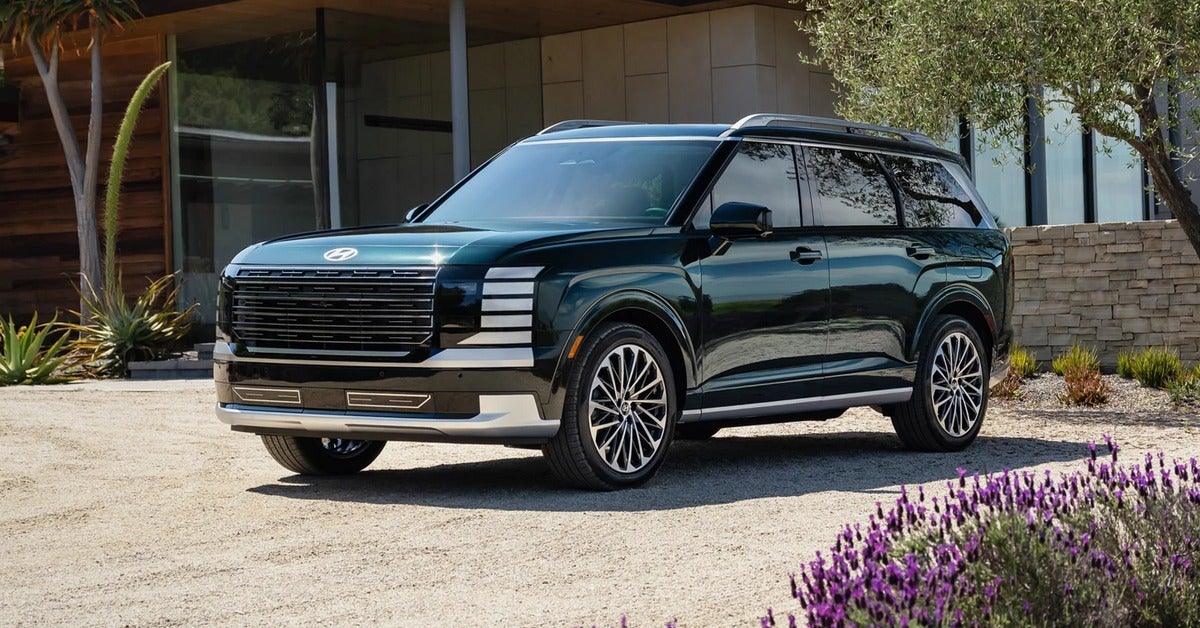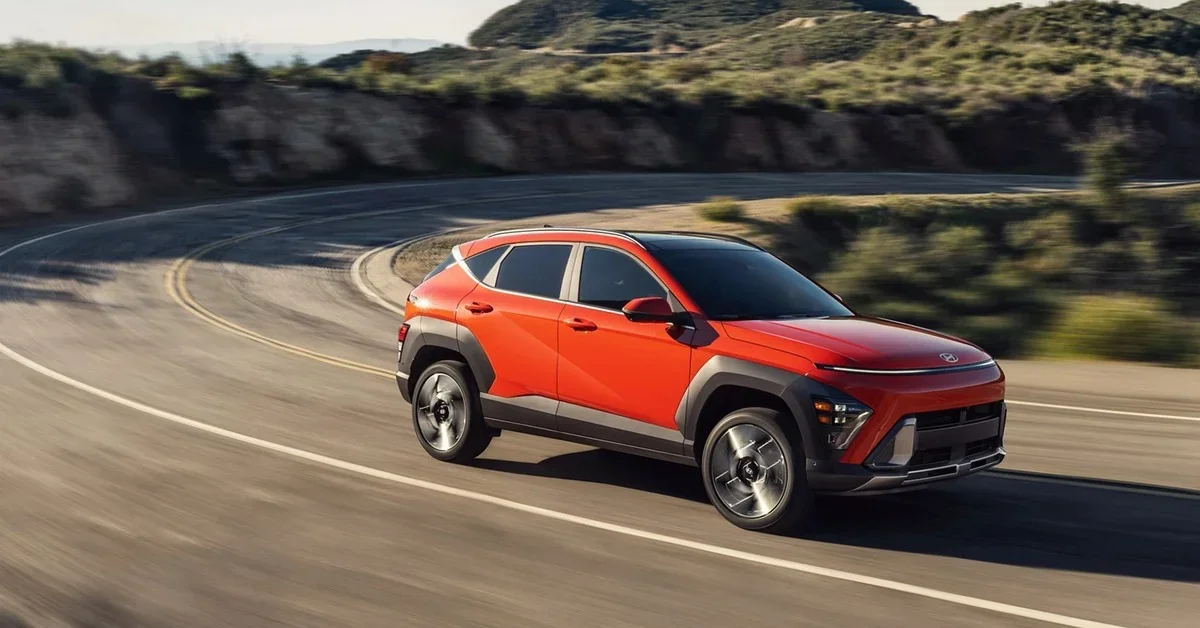
A trade-in should make your next vehicle feel more attainable, not more complicated. But if the payoff on your current auto loan is higher than what your vehicle is worth, you have negative equity. That can change the math on a Tucson, Santa Fe, Palisade, or an electrified Hyundai, but it does not automatically mean you need to put your plans on hold.
For drivers around Puyallup and eastern Pierce County, the right next move depends on your loan, your vehicle’s condition, your budget, and how soon you need to change vehicles. A clear conversation early in the process can keep a trade-in from becoming an unpleasant surprise at signing.
What Negative Equity Means
Negative equity, sometimes called being upside down on a loan, occurs when your loan payoff is greater than your vehicle’s current trade-in value. The difference is the amount you still need to account for when you sell or trade the vehicle.
Your loan payoff is not always the same as the balance shown on last month’s statement. Interest continues to accrue, and some lenders quote a payoff good for only a limited number of days. Your vehicle’s value is based on its condition, mileage, history, market demand, and the current supply of comparable vehicles.
For example, if a lender payoff is 12 percent higher than the vehicle’s appraised trade-in value, that 12 percent is your negative equity. It does not disappear simply because you trade the vehicle in. You can pay it separately, keep the vehicle longer while paying down the loan, or include some or all of it in the financing for your next vehicle if you qualify.
Why Drivers End Up With Negative Equity
Negative equity is common, and it is not always a sign that someone made a bad decision. New vehicles tend to depreciate fastest during the first few years of ownership. A longer loan term can make the monthly payment manageable, while the balance declines more slowly. If you need to trade before the loan has had time to catch up, the payoff may still be high.
Rolling a previous balance into a new loan can also create a cycle. So can driving more miles than expected, missing regular maintenance, or having vehicle damage that affects value. Market swings matter, too. A vehicle that was especially desirable when you purchased it may face more competition when it is time to trade.
Life changes are often the real reason for an early trade. A growing family may need the extra room of a Santa Fe or Palisade. A long commute from Bonney Lake, Graham, or Orting may make a hybrid or EV more appealing. Those are valid needs. The goal is to understand the financial trade-off before choosing a path.
How to Check Your Position Before You Shop
Start by requesting a current payoff quote from your lender. Ask whether it includes a per-day interest amount and when it expires. Then get a professional appraisal of your vehicle rather than relying on an online estimate alone. Online tools can be useful for early research, but they cannot fully see tire condition, service history, paintwork, reconditioning needs, or local demand.
Compare the payoff to the appraisal. If the appraisal is higher, you have positive equity that may help with your next purchase. If it is lower, calculate the gap and decide how much you are comfortable addressing now.
It also helps to review your credit profile and monthly budget before test-driving. Negative equity affects the full amount financed, which can influence lender approval, loan term, required down payment, and payment. Being transparent about your goal, whether that is a lower payment, more space, improved efficiency, or a newer warranty, helps a financing team show choices that actually fit.
Negative Equity Options When Trading In
There is no single best answer. The right option depends on how large the gap is, how reliable your current vehicle is, and whether a replacement is necessary now.
Pay the Difference at Trade-In
Paying some or all of the gap at trade-in is often the cleanest route. It keeps the previous balance from being added to your next loan, meaning you begin the next ownership cycle with a healthier equity position. This may be a good fit if you have savings set aside and can contribute without draining the emergency fund you rely on for home, family, or medical expenses.
Wait and Pay Down the Current Loan
If your vehicle is reliable and still meets your needs, waiting can be a smart financial decision. Make additional principal payments when possible, while confirming with your lender that the funds are applied to principal. Keeping up with maintenance also protects the vehicle’s eventual trade-in value. Tires, brakes, clean interior condition, and documented service can all matter at appraisal time.
This approach works best when depreciation has slowed and the loan balance is falling steadily. It may not be ideal if repeated repairs, changing household needs, or safety concerns make the current vehicle impractical.
Finance the Remaining Balance Into Another Vehicle
Some shoppers choose to roll negative equity into a new loan. This can be reasonable when replacing the current vehicle solves a real need, such as moving into a more dependable vehicle or choosing a hybrid that better suits a high-mileage commute.
The trade-off is straightforward: the new loan starts with the old balance included. That can increase the payment or extend the term, and it may leave you upside down again for longer. A larger down payment, a shorter term that still fits your budget, or a vehicle with strong long-term value can reduce that risk. Ask to see the transaction clearly separated: vehicle value, trade allowance, payoff, amount financed, term, and payment.
Consider Refinancing or Selling Privately
Refinancing may help if a better loan structure lets you pay down principal faster, though approval and available rates depend on your credit, vehicle age, mileage, and lender guidelines. It is worth comparing the total cost, not only the monthly payment.
A private-party sale may bring more than a trade-in because a retail buyer is purchasing the vehicle for personal use. It also takes more time and effort. You will need to manage advertising, inquiries, paperwork, payoff coordination, and a secure payment process. If the vehicle still has a lien, confirm your lender’s procedure before committing to a buyer.
Negative Equity and EV or Hybrid Shopping
Drivers considering an IONIQ 5, IONIQ 9, Kona Electric, pre-owned IONIQ 6, or Hyundai hybrid often focus first on charging or fuel savings. Those are worthwhile conversations, but negative equity deserves equal attention. Savings in operating costs can support your overall budget over time, yet they do not erase a previous loan balance on day one.
An EV or hybrid may still make sense if its range, efficiency, cargo space, and ownership needs match your household. Just avoid using projected fuel savings as a reason to accept a payment that feels strained. Consider insurance, home charging needs, expected miles driven, and how long you plan to keep the vehicle. The longer you expect to own it, the more time you have to build equity.
Questions Worth Asking at the Dealership
A people-first purchase conversation should welcome questions, especially when a trade-in has a payoff. Ask for your vehicle’s appraised value and the lender payoff used in the worksheet. Ask how much negative equity, if any, is being included in the next loan. Ask what changes if you add money down, select a different term, or choose a different vehicle.
You can also ask whether keeping your current vehicle for several more months would improve your position. An honest answer may be that waiting is the better move. The best dealership experience is not about forcing a transaction today. It is about giving you enough clarity to make a decision you can feel good about after you drive home.
Bring your current loan information, registration, service records, and all keys when you are ready for an appraisal. Then visit Korum Hyundai to review your trade-in and financing options with the numbers laid out clearly. Whether the right answer is shopping now or building equity first, a straightforward plan is a strong place to start.
Frequently Asked Questions
How do I get a loan payoff quote for a trade-in?
Call your lender or check its online account portal and ask for a payoff quote with a good-through date and the daily interest amount. The payoff is usually higher than the balance on your statement because interest keeps accruing. Bring that quote to Korum Hyundai so the appraisal and payoff can be compared on the same day.
Can GAP coverage help with negative equity?
GAP coverage can help if a financed vehicle is totaled or stolen while you owe more than it is worth, by covering some or all of the gap between the insurance payout and the loan balance. It does not reduce negative equity when you trade in. Review what it covers, what it costs and whether you already have similar coverage through your insurer.
Is it better to wait out negative equity or trade now?
If your current vehicle is reliable and meets your needs, waiting while you pay down principal usually costs less. If repairs, safety concerns or a growing family make the vehicle impractical, trading now can still be reasonable. Ask Korum Hyundai to run both scenarios so you can compare total cost, not just the monthly payment.
Does a Washington private sale help with negative equity?
It can, because a private buyer may pay more than a trade-in offer. You still need to pay off the loan before the title can transfer, so coordinate with your lender and the buyer. Report the sale to the Washington Department of Licensing to release your liability. A trade-in avoids those steps but may bring a lower price.